
Why Belltown Members Switch from Big Box Gyms to CrossFit
Why Belltown members leave $40/mo big-box memberships for coached CrossFit. Cost, results, and retention compared by a CFL3 head coach.

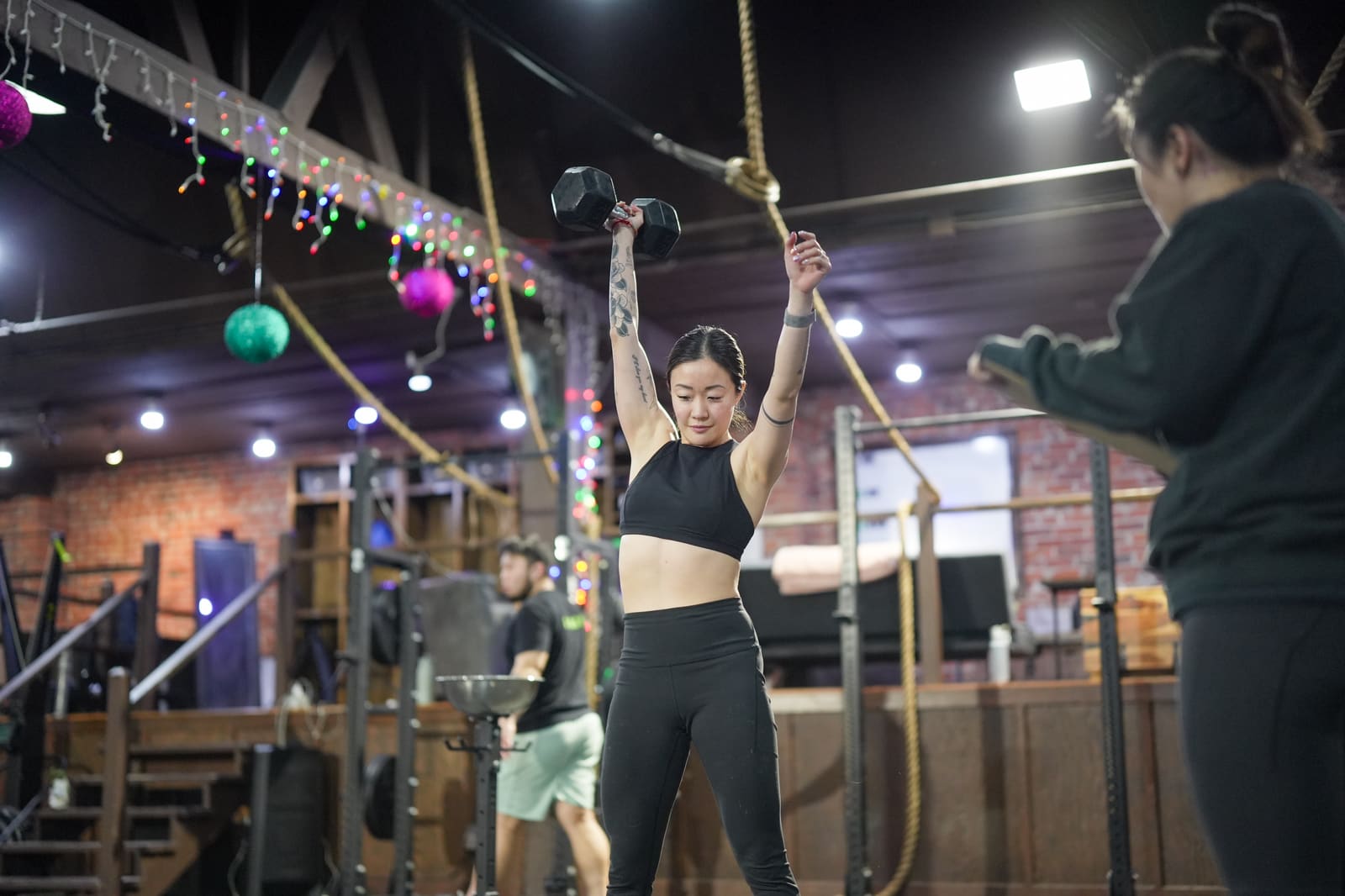
A $40/mo membership you barely use is more expensive than $79/wk you use 4x a week
Most weeks I have a conversation with a new member at Persistence Athletics that goes something like this: they spent 4 to 8 years at a big-box gym in Belltown, paid $30 to $60 a month, and have almost nothing to show for it.
They lifted on their own. They watched YouTube videos. They had a few good months and a few bad months. Their squat stalled and never moved again. Their deadlift hit a wall sometime in year 2 and stayed there. They ran out of patience with the gym sometime around year 3, started skipping, and kept paying anyway.
Then they walked into Persistence, paid roughly 4 to 5 times what they were paying at the big-box gym, and within 6 to 9 months hit lifetime PRs they had been chasing for half a decade.
This is the most common switch story I hear. I am Ravi Dewangan, CFL3, MS in Strength and Conditioning, and CrossFit Seminar Staff. I have coached at Persistence Athletics in Belltown for over a decade. This article walks through why the switch keeps happening and what the real cost comparison looks like once you do the math. Updated June 2026.
Table of Contents
- The real cost comparison: globo gym vs coached CrossFit
- Why most big-box memberships fail at the usage level
- What you actually get for $79/wk vs $40/mo
- How we approach switchers at Persistence Athletics
- A 90-day plan if you are switching this month
- Frequently Asked Questions
The real cost comparison: globo gym vs coached CrossFit
The price tags look very different. The cost-per-session-actually-attended is much closer than people expect.
| Metric | Big-box gym | Coached CrossFit |
|---|---|---|
| Monthly cost | $30 to $60 | $300 to $400 |
| Annual cost | $360 to $720 | $3,600 to $4,800 |
| Typical usage rate | 10 to 15 percent of paid days | 60 to 75 percent |
| Average visits per year | 30 to 50 | 150 to 220 |
| True cost per visit | $14 to $24 | $16 to $24 |
| 12-month retention | 18 to 30 percent | 75 to 92 percent |
The first column is what people see on the price tag. The fifth row is what they actually pay per session that produced a result.
The big-box model is built around the people who do not show up. Industry filings show 12 to 18 percent of members account for the majority of visits. The other 80 percent are paying for a gym they will not use within 90 days. The economics rely on it.
The coached model flips this. CrossFit members come 3 to 5 times a week because the class is on the calendar, the coach is expecting them, and the workout is already programmed. The retention rate is 4 to 5 times higher. The clearest proof on our own floor is Pouria, who has logged around 1,100 classes over six-plus years. Nobody sustains that on willpower. They sustain it because the structure makes showing up the default, not the exception.
For Belltown members specifically, the cost gap also shrinks once you factor in the commute. A big-box gym 15 minutes away that you visit twice a month is more expensive than a coached gym 8 minutes from your apartment that you visit 16 times a month. We are at 3025 1st Ave, about an 8-minute walk from Amazon, and the walk distance shows up in the attendance data. People train near where they live.
Why most big-box memberships fail at the usage level
The big-box model has four structural problems that drive the 80 percent who stop showing up:
No programming. You walk in and have to decide what to do. Most members rotate through the same 4 to 6 exercises for years and stop seeing change.
No accountability. Nobody notices if you skip a week. The coach does not text you. The membership does not care.
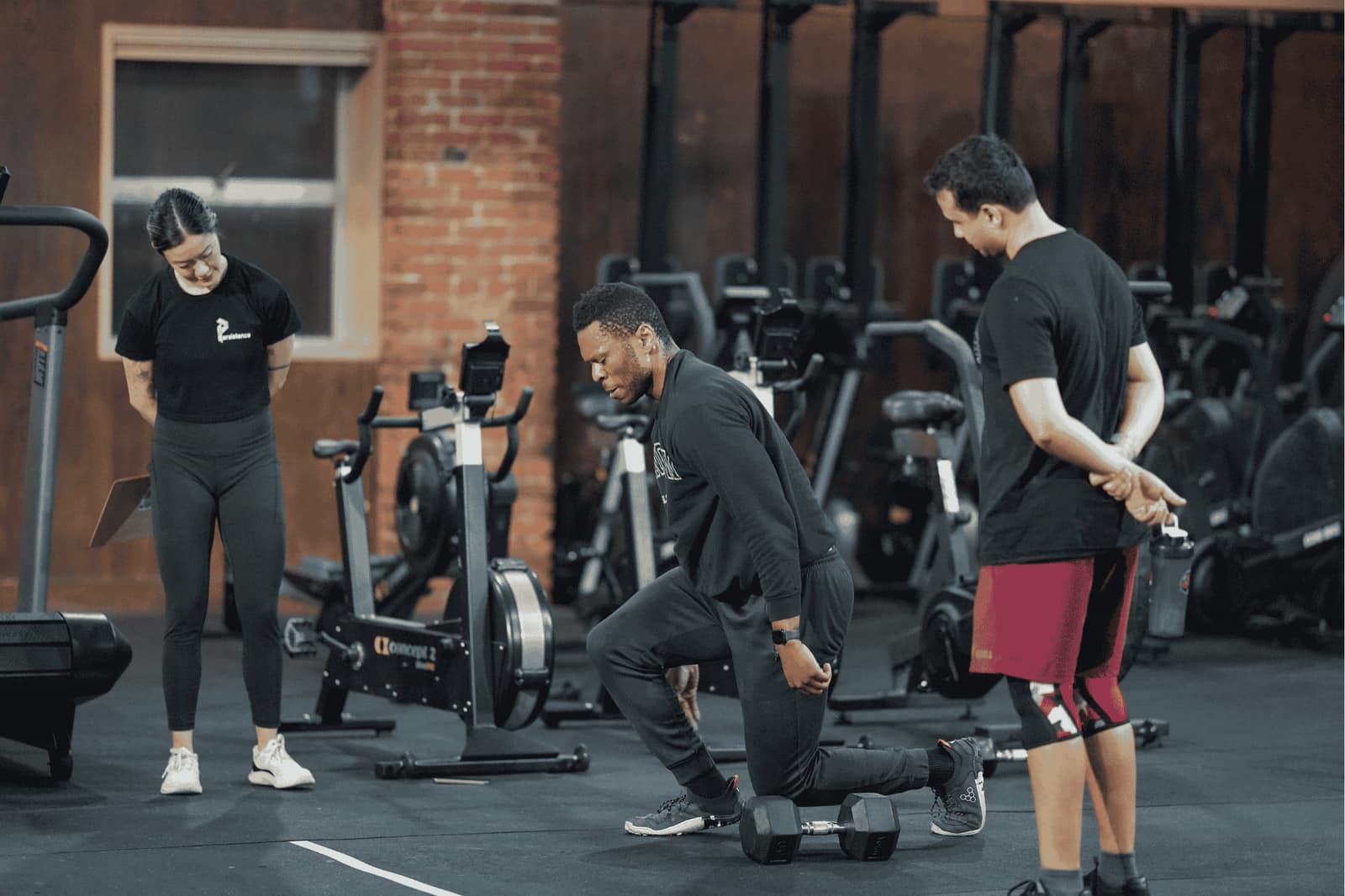
No coaching. Form errors compound for years. The lifter whose squat stalled is almost always the lifter whose knees cave at 90 percent. Nobody watches and nobody fixes it. On a coached floor, that is a one-second cue from across the room. I catch it before the second rep.
No community. You go alone, you leave alone. There is no reason to come back beyond your own willpower. Willpower is the least reliable ingredient in long-term consistency.
The coached gym model fixes all four in one move. The class is the program, the coach is the accountability, the cueing is the form fix, and the people next to you are the community. That is what the price difference buys.
If you want to see this for yourself before you read another paragraph, your first class is free and we scale it to wherever you are starting. Trial slots run Saturday 8:00 AM and weekday evenings (6:30 PM, Fri 6:00 PM). Book a free class and feel the difference between access and coaching.
What you actually get for $79/wk vs $40/mo
For $40 a month at a big-box gym you get equipment access. That is the product.
For $79 a week at a coached CrossFit gym (our most popular 3x plan) you get:
- Programmed sessions. A coach has thought about every rep scheme, percentage, and movement combination in the workout. You do not have to. The block is periodized across 12 weeks.
- Live coaching. A credentialed coach watches every set of every athlete during the strength block and the workout. Form errors get caught in week 1, not year 4. Our coach-to-athlete ratio runs roughly 1 to 12, so the eyes on you are real.
- A real coaching bench. Jacque Dewangan (CFL3, Precision Nutrition Level 2) runs the on-ramp for people returning to training, and AJ and the rest of the crew cover the weekday classes. You are not getting one good coach and a room full of strangers.
- Equipment without the wait. Coached gyms reset between classes. Bars are loaded, plates are stacked, the rower is in the right position.
- Community accountability. You learn names. You text someone if you miss a week. You become someone other people miss when you skip.
- A documented intro process. We run a real intro, not a key fob and a wave at the equipment.
- Pricing transparency. Our pricing page shows every option. No mystery. No contract on the weekly plans, and you can pause anytime.
The thing people miss when they look only at the monthly number is that they are not buying a gym. They are buying a system that produces consistent training. The big-box product is access. The coached product is results.
How we approach switchers at Persistence Athletics
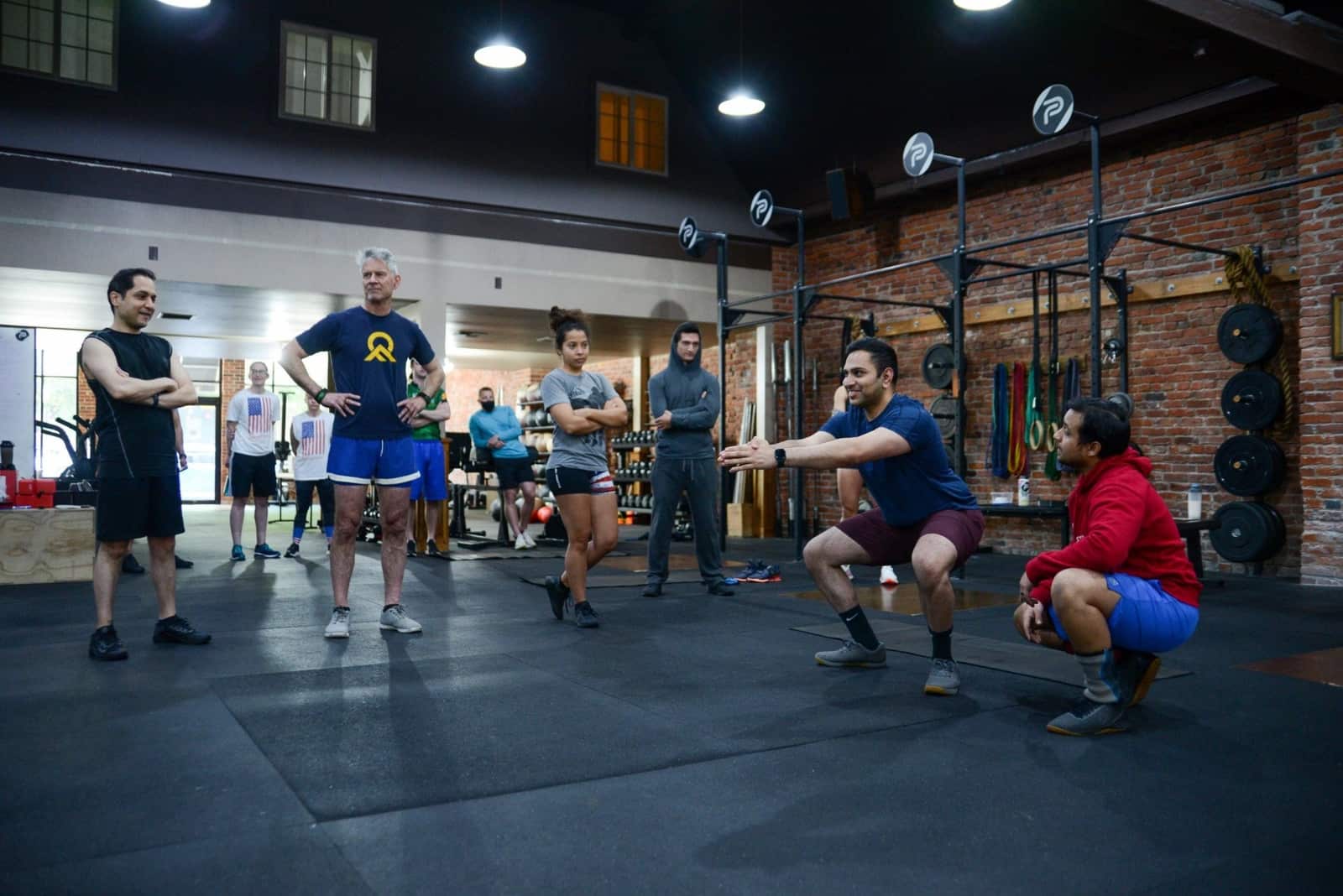
When a switcher walks into Persistence Athletics in Belltown, they have usually trained on their own for years and have very specific patterns we need to address. The first 30 days are about technique cleanup, not load progression.
Devang is a good example of the arc. He is a software engineer who came in closer to the beginner end and has now logged 724 classes and built a genuine strength base over that time. He did not get there by adding plates every week. He got there because the first weeks were spent fixing positions, and everything after that sat on a clean foundation. That is the unglamorous part switchers skip when they self-coach: nobody is watching the position, so the position never gets fixed, and the load caps itself.
Take a representative switcher: an Amazon engineer who lifted solo at a Belltown big-box gym for six years and watched his deadlift sit at the same wall for 18 straight months. He came in skeptical. He told me he had tried "doing CrossFit" before and quit because the workouts felt too random. His first four weeks here were the opposite of random. We filmed his deadlift in week one, found a hip hinge that was breaking down right at the point his lift always stalled, and programmed a technical block at 60 to 70 percent for three weeks. By the second month the bar was moving past the wall he had been stuck behind for a year and a half. By month nine he had cleared his lifetime best with room to spare. The equipment was not the limiter at the big-box gym. The structure was.
The pattern is not unique to him. Most switchers we see at our Belltown CrossFit gym hit lifetime PRs within 6 to 12 months because the variable that changed was coaching plus programmed progression.
For switchers who want a deeper read on what we do and the team behind it, our about page covers the full picture. For the broader CrossFit landscape in Seattle, our Seattle CrossFit guide compares neighborhoods, costs, and what to look for.
A 90-day plan if you are switching this month
If you are leaving a big-box gym for a coached CrossFit gym, here is the 90-day arc most switchers follow at Persistence:
Days 1 to 14: Intro plus technique audit
You finish your intro sessions. The coach films your squat, deadlift, and press. You learn what your actual technique baseline is. Almost every switcher discovers a position breakdown they have been training around for years.
Days 15 to 30: Light loading, pattern rebuild
Working weights drop intentionally. The point is to rebuild positions correctly so the next 12 weeks of progression sit on a clean foundation. Most switchers feel impatient here. The patient ones win.
Days 31 to 60: First PRs
The lifts that stalled for years at the big-box gym start moving again. The first PRs come at lighter loads than you used to lift, but with much cleaner positions. By week 8 most switchers are back to or past their previous best.
Days 61 to 90: Sustained progression
The block periodization starts producing real load increases. Lifts that were stuck for two years are climbing again, conditioning has improved noticeably, and body composition has shifted. This is also the stage where the masters athletes catch people off guard. Tom is 66, has logged 548 classes, and still deadlifts heavy on the regular. Age is not the ceiling people assume it is once the coaching is real.
The 90-day arc is consistent across switchers. The difference between the people who stay and the people who go back is whether they trust the technique-first approach in days 15 to 30. The ones who do hit lifetime numbers within the first year. Our group classes page covers the full schedule and what each day's programming looks like.
Frequently Asked Questions
Is CrossFit really worth 4x the price of a big-box gym?
If you actually use a coached gym, yes. The math: $40/mo at a big-box gym used 12 percent of the time costs $333 per actual visit per year. $79/wk at a coached CrossFit gym used 70 percent of the time costs a fraction of that per actual visit. The price gap shrinks once you compare cost-per-session-actually-attended, and the coaching plus programming you get is the real differentiator.
Why do people quit big-box gyms?
Industry data shows 12 to 18 percent of big-box members account for most visits. The other 80 percent stop showing up within 90 days. The pattern is consistent: no programming, no accountability, no community, and no coach watching form. People are not lazy. The model is missing the ingredients that drive consistent attendance.
Can I get the same results lifting on my own?
Theoretically yes if you have a strong programming background, eat well, and self-coach. In practice, almost nobody does. The members at Persistence who came from years of solo lifting at big-box gyms hit lifetime PRs within 6 to 12 months of switching. The variable that changed was coaching plus programmed progression, not the equipment.
What if I just want to lift weights, not do CrossFit workouts?
Most coached CrossFit gyms run a strength block in every class. At Persistence we program a heavy strength piece every Monday, Thursday, and Friday. If you want even more lifting, our personal training option layers a strength-only block on top of group classes. The choice is not lift versus CrossFit, it is coached versus uncoached.
How long until I see results switching from a big-box gym?
Most members hit a measurable PR within 30 to 60 days of switching to coached CrossFit. The first month is technique cleanup. By month 2, the lifts that stalled for years at the big-box gym start moving again. By month 6, body composition and conditioning shift visibly. The coached environment compresses the timeline.
Is CrossFit safer than big-box gym training?
Yes, when coached properly. Coached CrossFit gyms have lower injury rates than self-coached big-box training because every rep is watched and form errors get caught early. The risk in big-box gyms is invisible: lifters with broken positions plate-loading the bar with nobody watching. Coached movement is the safer model.
Try a free first class at Persistence Athletics
If you have been paying for a big-box gym you are not using, your first class at Persistence Athletics in Belltown is free. We will walk you through the structure, scale the workout to your starting point, and show you what coached training feels like. Book your free class. Persistence Athletics, 3025 1st Ave, Belltown, Seattle, WA 98121. Phone (206) 593-4236. About 8 minutes on foot from Amazon, walkable from anywhere in downtown.
Want to take this further?
Talk to a coach about crossfit programming at Persistence Athletics.