
Olympic Weightlifting for CrossFit Athletes
Why CrossFitters need Olympic lifting. Common mistakes, snatch and clean & jerk progressions, and a programming structure from a CFL3 coach in Belltown Seattle.

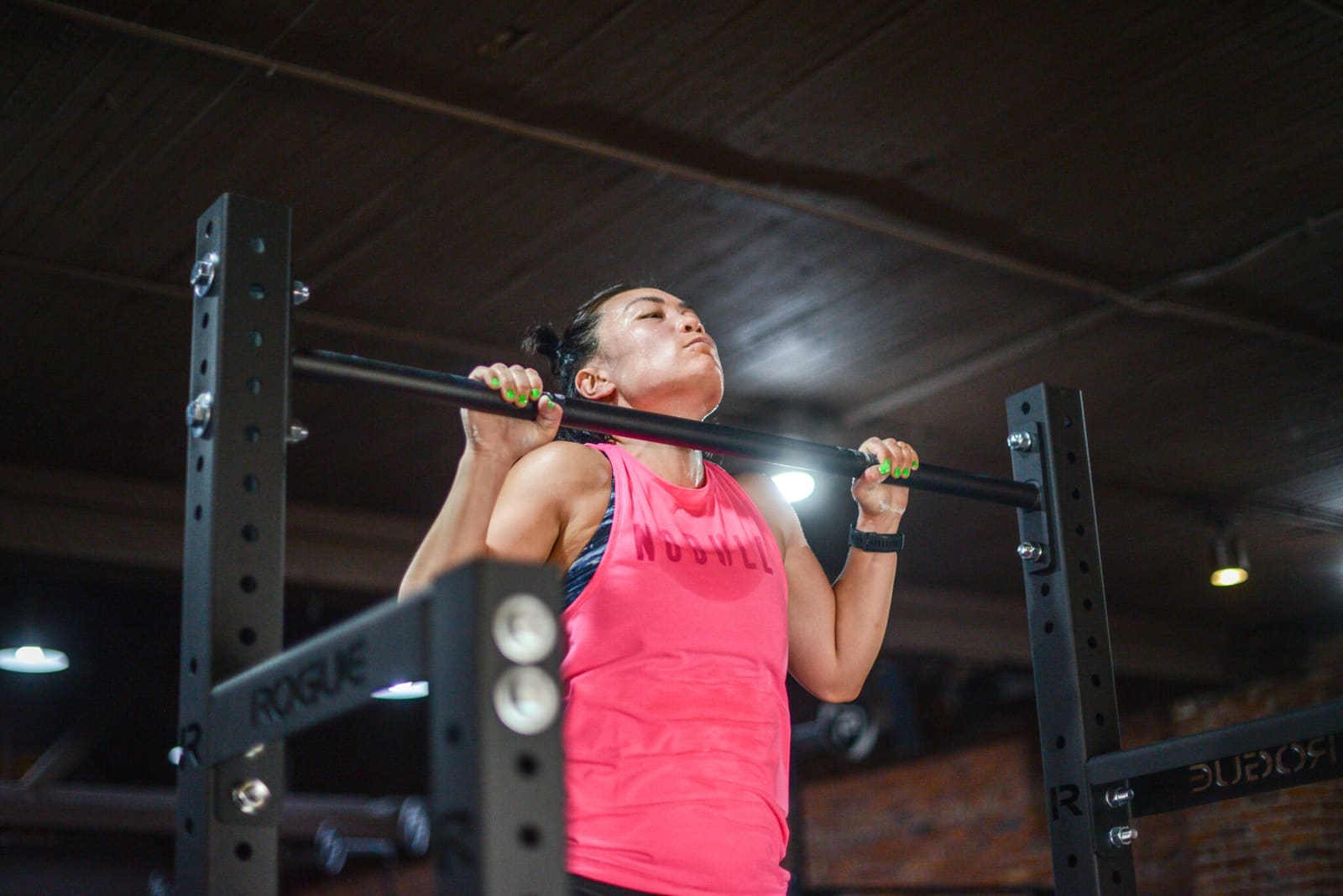
Olympic lifting is non-negotiable for CrossFit
The snatch and the clean and jerk are not optional in CrossFit. They are standard movements. They appear in the Open. They appear in regional and Games events. They show up in metcons on our floor at 3025 1st Ave in Belltown roughly twice a week. CrossFitters who do not invest in Olympic lifting practice cap out fast and stay capped.
I'm Ravi Dewangan, CFL3, MS in Strength and Conditioning, and CrossFit Seminar Staff. I have coached the snatch and clean and jerk for over a decade, both in CrossFit gyms and in dedicated Olympic lifting blocks. Updated June 2026.
This post covers why CrossFitters specifically need Oly, the common mistakes I watch get repeated on our floor every week, the position-by-position progression I run with new lifters, and how we program Olympic work at Persistence.
Table of Contents
- Why CrossFit athletes need Olympic lifting
- The common mistakes I see every week
- The four-position progression for the snatch and clean
- Programming: how to structure Oly work as a CrossFitter
- How we coach Olympic lifting at Persistence Athletics
- Frequently Asked Questions
Why CrossFit athletes need Olympic lifting
Three reasons.
Reason 1: The lifts appear constantly in the sport. Roughly 60 percent of Open and Games workouts include either a snatch, a clean, a jerk, or some variation. The athletes who medal can move loads at percentages of their max that the rest of the field cannot. The bar speed is the difference. Bar speed comes from technical practice, not from grinding heavier.
Reason 2: Inefficient Oly tanks metcon performance. A bad clean costs 30 to 60 percent more energy than an efficient clean at the same load. In a metcon with 50 cleans, that energy cost compounds. Athletes with clean technique blow through metcons their peers grind to a stop on. I watch this every Open: the lifter with the prettier clean is not stronger, they are just paying less per rep.
Reason 3: Olympic lifting builds qualities CrossFit needs. Speed under the bar. Triple extension power. Mobility in the receiving position. These are not built by squats and deadlifts alone. They are built by snatching and cleaning, and there is no substitute.
The CrossFitters at Persistence with the biggest engines all spend dedicated time on the snatch and clean every week. Aidan is one of the clearest examples. He is an advanced lifter, and the thing that separates his metcons from the field is not raw strength, it is that his clean cycles fast and cheap, so he is fresh on the barbell while everyone else is gassed. The correlation between Oly practice and a deep engine is not a coincidence.
The common mistakes I see every week
Three patterns show up in 80 percent of CrossFit Olympic lifting issues at the intermediate level.
Mistake 1: Early arm pull
What it looks like: The lifter starts the pull from the floor, and as soon as the bar passes the knee, the arms start to bend. The bar slows down because the arms are not strong enough to drive it the way the hips can.
Why it happens: Impatience. The lifter feels the bar getting close to where the catch happens and tries to muscle it overhead before the hips have finished. The arms are weaker than the hips, so the bar speed dies.
The cue: "Long arms until your hips touch the bar."
The drill: High-hang snatch and clean. Start the bar at the upper thigh, just below the hip crease. The high-hang position eliminates most of the pull, isolating the hip extension and the pull-under. Three sets of 5 reps at 50 to 60 percent for 4 to 6 weeks builds the right pattern.
Mistake 2: No hip extension
What it looks like: The lifter never reaches full hip extension at the top of the pull. The hips stay slightly bent, the bar never accelerates fully, and the catch position is forced from arm strength alone.
Why it happens: Two causes. First, the lifter is rushing the pull-under and skipping the extension to drop faster. Second, the lifter has limited hip mobility and physically cannot reach full extension under load.
The cue: "Finish the pull. Hips through, traps shrug."
The drill: Snatch high-pull and clean high-pull. The high-pull eliminates the catch and forces the lifter to complete the extension. 3 sets x 3 reps at 70 to 80 percent. Pair with hip mobility work (couch stretch, deep squat hold) if the limitation is mobility.
Mistake 3: Jumping forward in the catch
What it looks like: The lifter pulls, and at the top of the pull, the feet come off the floor and land 6 to 12 inches forward. The bar ends up forward of the catch position, and the lifter has to muscle it back over center.
Why it happens: The bar path is angled forward instead of vertical. This usually traces back to the start position (hips too high, shoulders behind the bar) or to the lifter pulling the bar away from the body instead of straight up.
The cue: "Bar travels straight up, brush the thigh."
The drill: Snatch and clean from blocks at the knee, with a deliberate cue to keep the bar in contact with the thigh. The blocks force a vertical bar path. 3 sets x 5 reps at 60 to 70 percent for 4 weeks.
The four-position progression for the snatch and clean
The standard teaching progression for both lifts. Each position takes 2 to 4 weeks. Most CrossFitters compress this into 8 to 12 weeks total before testing from the floor.
| Position | What it teaches | Sample programming |
|---|---|---|
| High-hang (upper thigh) | Hip extension, pull-under | 3 sets x 5 reps at 50 to 60% |
| Hang (below the knee) | Bar path, longer pull, timing | 3 sets x 5 reps at 60 to 70% |
| Deficit (4-inch block) | Pull off the low position, leg drive | 3 sets x 3 reps at 70 to 80% |
| From the floor | Full lift, integrated pattern | 3 to 5 sets x 1 to 3 reps at 80 to 95% |
Skipping positions is the most common reason CrossFitters never build a clean snatch from the floor. The temptation is to start from the floor immediately because that is what the workouts demand. The result is a sloppy from-the-floor pattern that maxes out at moderate weight and breaks down under fatigue.
Devang is a good case study here. He is a software engineer who came in as a beginner and built a genuinely advanced strength base over a few years, and the way he got there was patience. We held him at the high-hang and hang positions for weeks while he wanted to load the floor. He trusted the progression, drilled the positions in order, and the from-the-floor snatch that eventually showed up was clean and held up under metcon fatigue. The athletes who skip steps never get that.
The four-position progression takes 2 to 3 months. The investment pays off for the rest of your CrossFit career.
Programming: how to structure Oly work as a CrossFitter
The structure I run with intermediate CrossFitters at Persistence.
Day 1 (Tuesday): Snatch technique
- 4 sets x 3 reps high-hang or hang snatch at 60 to 70 percent
- 3 sets x 3 reps overhead squat at 70 percent
- 3 sets x 5 reps snatch grip deadlift at 80 to 90 percent
Day 2 (Thursday): Clean and jerk technique
- 4 sets x 2 reps high-hang or hang clean and jerk at 60 to 75 percent
- 3 sets x 5 reps front squat at 75 to 80 percent
- 3 sets x 3 reps push press or push jerk at 70 to 80 percent
Day 3 (Saturday): Heavy day
- Snatch: work to a heavy single (85 to 95 percent)
- Clean and jerk: work to a heavy single (85 to 95 percent)
- Optional accessory: pulls, squats, or pressing
This structure runs alongside 3 to 4 days of regular CrossFit metcons in the same week. Total session time on Oly days is 60 to 75 minutes. The heavy day is the only day that demands maximum intensity. The other two are technique sessions at moderate load.
For competitive athletes preparing for the Open or sanctional events, the heavy day shifts to mid-week and the technique days become more frequent (4 to 5 days a week of Oly work, with metcons reduced).
How we coach Olympic lifting at Persistence Athletics
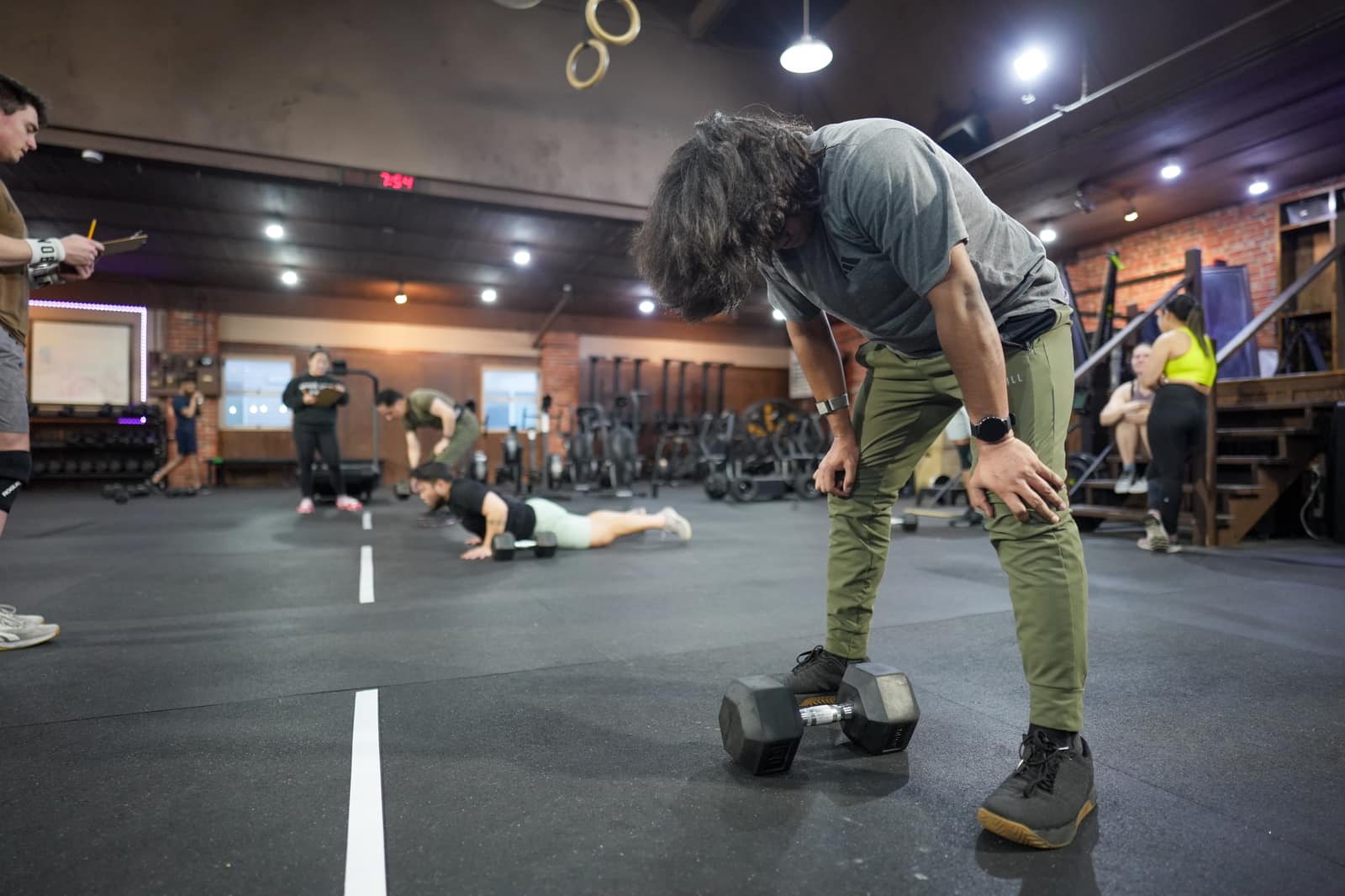
In our group classes, we run dedicated Olympic skill blocks every Tuesday. The block focuses on one of the four positions (high-hang, hang, deficit, from the floor) and rotates through the lifts (snatch, clean, jerk) over a 4 to 6 week cycle. With a coach-to-athlete ratio around 1 to 12, every lifter in the room gets eyes on their pull, not just the person closest to the whiteboard. Members who attend Tuesdays consistently see their snatch and clean numbers climb steadily.
In our strength training program in Seattle, members who want focused Oly work run 2 to 3 dedicated Olympic sessions per week alongside their general strength work. The structure is closer to a competitive weightlifting program than a general CrossFit template, with weekly volume and intensity periodized over 12-week blocks.
For athletes preparing for the Open or competing at the regional level, I run personalized Oly blocks. Every athlete films every working set. Form review happens after every session. Most competitive athletes add a meaningful jump to both their snatch and clean and jerk over the first 12-week block of focused work, and most of that comes from technique rather than raw strength gain. The technique tax is real, and once you pay it, the loads catch up.
A quick word on coaching versus self-teaching. Jacque, our head coach, is also CFL3, and she will tell you the same thing I do: the Olympic lifts are the one place in the gym where a trained eye is worth the most. This pattern, like the squat plateaus covered in our squat form mistakes article, is one where coaching pays the highest dividend. A breakdown that takes a coach two seconds to spot can take a self-coached lifter two months to feel. The reps are what make it stick, but only the right reps.
Frequently Asked Questions
Why do CrossFitters need Olympic weightlifting?
Snatch and clean and jerk are CrossFit standard movements. They appear in nearly every Open workout and most Games events. Without dedicated Olympic lifting practice, CrossFitters cap out at moderate loads and inefficient mechanics. Two to three sessions a week of focused Oly technique work, plus one heavier day, takes most CrossFitters from a 95 lb snatch to 155 lb in 6 to 12 months.
What is the most common mistake CrossFitters make on the snatch?
Early arm pull. The lifter starts pulling with the arms before the legs and hips finish driving. This kills bar speed and forces the lifter to muscle the bar overhead instead of catching it under a fast bar. The fix is the high-hang snatch with a deliberate cue to keep the arms long until the hip extension finishes.
Should I learn the snatch or the clean and jerk first?
Clean and jerk first, for most CrossFitters. The clean is mechanically easier than the snatch (closer grip, less wrist mobility demand, shorter pull height). Most athletes can move heavier clean and jerks faster than snatches in the first 6 months. Learn the clean for 8 to 12 weeks, then layer in the snatch once the clean is solid.
How often should a CrossFit athlete do Olympic lifting?
Two to three days a week of technique-focused Oly work, plus one heavier day per week. More than four sessions a week is usually counterproductive for CrossFitters because the metcon volume already taxes recovery. The four-day structure (3 technique, 1 heavy) is what most competitive masters and intermediate athletes run.
Do I need lifting shoes for Olympic weightlifting?
Strongly recommended once you are loading above 70 percent of your max. Lifting shoes with a 0.5 to 0.75 inch heel improve squat depth in the catch position and stabilize the foot for the pull. CrossFitters can get away with flat shoes for light technique work, but heavy snatches and cleans benefit measurably from a proper lifting shoe.
What is the progression to a from-the-floor snatch?
Four positions: high-hang (above the knee), hang (below the knee), from a 4-inch deficit (low position), and finally from the floor. Each position takes 2 to 4 weeks of practice. The progression teaches the bar path, hip extension, and pull-under in pieces before requiring all three at once. Skipping positions is the most common reason CrossFitters never build a clean snatch.
Try a free first class at Persistence Athletics
If you want a coach who has worked with CrossFit athletes from the Open level to the Games, that is what we do. Tuesday classes feature dedicated Olympic skill blocks. Your first class at Persistence Athletics in Belltown is free and scaled. Book your free class. Persistence Athletics, 3025 1st Ave, Belltown, Seattle, WA 98121. About 8 minutes from Amazon, walkable from anywhere in downtown. Questions first? Call us at (206) 593-4236.
Want to take this further?
Talk to a coach about strength programming at Persistence Athletics.