
Recovery Nutrition: What to Eat After Hero WODs
Post-workout nutrition for hard CrossFit sessions and Hero WODs. Protein and carb targets, real meal examples, and why sleep matters more than supplement timing.

Hero WODs are the test of your recovery system
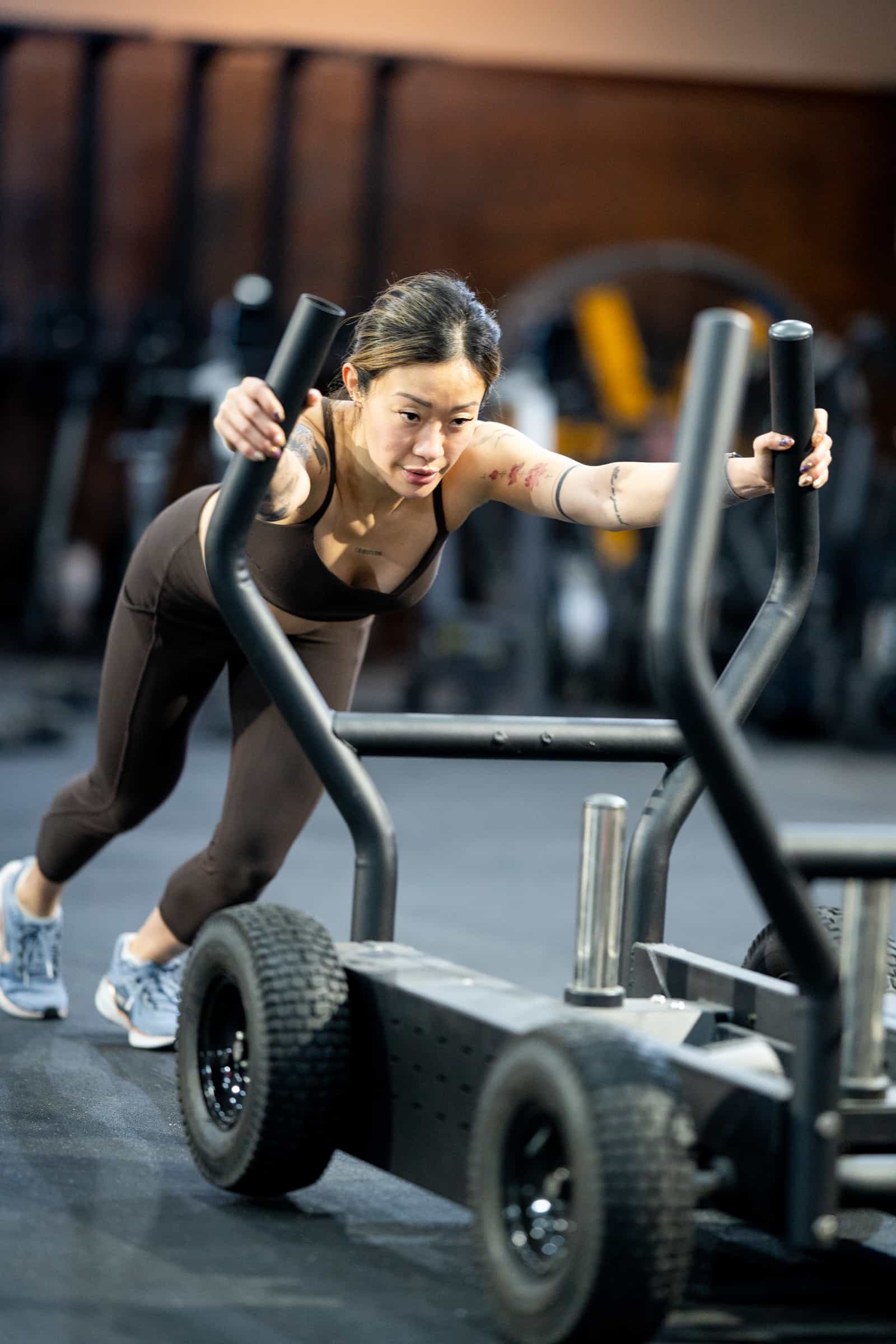
Hero WODs are designed to be hard. Murph, DT, JT, Kalsu. They take 30 to 60 minutes of intense effort, leave most members at full glycogen depletion, and test how well your nutrition system can rebuild for the next session.
I have watched this play out on the floor at our Belltown gym for years. We run Murph every Memorial Day, and the people who come back fresh on Tuesday are not the ones with the fanciest supplement stack. They are the ones who ate a real dinner and went to bed on time. The ones who skipped the post-workout meal because they were wiped out are the ones limping into Wednesday.
The post-workout window has been over-marketed for two decades. The actual rules are simpler than the supplement industry has made them. This post is the honest version: what to eat after hard sessions, how the timing actually works, and why sleep beats supplement timing every time.
I am Jacque Dewangan, CFL3 and Precision Nutrition Level 2, head coach at Persistence Athletics in Belltown. Updated June 2026.
Table of Contents
- The actual post-workout window
- Protein and carb targets after a Hero WOD
- Five real-food recovery meals
- Hydration: replacing what you lost
- Sleep matters more than supplement timing
- How we coach recovery at Persistence Athletics
- Frequently Asked Questions
The actual post-workout window
The 30-minute anabolic window is one of the most over-cited claims in fitness. The original research used trained athletes in fasted states, then got passed through 20 years of supplement marketing into the rule that you must drink your shake within 30 minutes or lose your gains.
The current evidence is calmer. The window is more like 30 to 90 minutes for most athletes, and total daily protein and carb intake matter more than the exact minute you eat. The athletes who panic about hitting 28 minutes versus 32 minutes are optimizing the wrong variable.
That said, eating within an hour of a hard session is a good habit. It helps with recovery, reduces soreness, and supports the next training day. Skipping the post-workout meal entirely is the real failure mode. Eating it 60 minutes after instead of 20 is fine.
The honest framing: protect the daily total, eat reasonably soon after, and stop stressing about minutes.
Protein and carb targets after a Hero WOD
The post-workout meal targets for a CrossFit athlete are:
| Session type | Protein | Carbs | Notes |
|---|---|---|---|
| 30 min strength only | 25 to 30 g | 30 to 50 g | Lower carb end (less depletion) |
| 60 min standard class | 30 to 35 g | 50 to 70 g | Mixed strength + metcon |
| 90 min Hero WOD | 35 to 40 g | 80 to 100 g | High glycogen depletion |
| HYROX class (Saturday 9:30 to 11) | 40 g | 100 g | Endurance demand |
The protein supports muscle repair. The carbs replenish glycogen and support the next training day. Most members at Persistence underconsume both after hard sessions because they are tired and just want to crash on the couch.
The fix is simple: have the post-workout meal pre-planned before you walk into class. If the food is sitting in your fridge ready to eat, you eat it. If you have to think about what to make at 8 PM after a 7 PM Hero WOD, you order pizza or skip the meal.
I see this most with our downtown crowd, the folks who walk the 8 minutes over from Amazon for the 6:30 PM class. They finish hard, ride the elevator up to an empty fridge, and the recovery meal never happens. The ones who got into the habit of prepping a Sunday batch are the ones who stopped complaining about Tuesday soreness.
Five real-food recovery meals
These are the meals we recommend to members at Persistence. Real food, no special supplements required, all hit the targets above.
1. Greek yogurt + banana + honey
Fast assembly, no cooking. 1.5 cups of Greek yogurt (40 g protein), 1 banana (27 g carbs), 1 tablespoon of honey (17 g carbs), and a sprinkle of granola (15 g carbs). Total: 40 g protein, 60 g carbs, 12 g fat. Solid for a 60-minute class.
Best for: morning sessions, athletes who do not want to cook, members who train at our 8 AM Saturday slot and have a full day ahead.
2. Chocolate milk + protein bar
The classic. 16 oz of chocolate milk (30 g carbs, 16 g protein) plus a 20 g protein bar with another 20 to 30 g carbs. Total: 36 g protein, 50 to 60 g carbs. Cheap, fast, palatable.
Best for: athletes leaving the gym in a hurry, the walk home up 1st Ave, or members who do not want to plan a real meal but need to eat something within an hour.
3. Rice + grilled chicken + vegetables
The standard athlete recovery meal. 1.5 cups cooked rice (60 g carbs), 6 oz grilled chicken (45 g protein), 1 cup of mixed vegetables, a tablespoon of olive oil. Total: 50 g protein, 70 g carbs, 18 g fat.
Best for: post-Hero-WOD dinners, athletes meal prepping on Sundays, anyone who has 15 minutes to plate a real meal.
4. Protein shake + oatmeal
Simple combo. 1 scoop whey (25 g protein), 1 cup cooked oats (30 g carbs), 1 banana (27 g carbs), 1 tablespoon peanut butter (8 g fat). Total: 30 g protein, 60 g carbs, 12 g fat.
Best for: morning Hero WODs, athletes who do not have time to cook, members who train early and need to start work by 9.
5. Sweet potato + ground turkey + spinach
Higher-volume, lower-density meal. 1 large sweet potato (50 g carbs), 6 oz ground turkey 93/7 (40 g protein), 2 cups spinach with olive oil. Total: 45 g protein, 55 g carbs, 18 g fat.
Best for: members on a fat-loss phase who want volume in their post-workout meal, evening sessions where digestion before bed matters, athletes who prefer real food over shakes.
The pattern across all five: 25 to 40 g of protein, 50 to 100 g of carbs, moderate fat. You can swap protein sources, swap carb sources, swap vegetables. The skeleton is the same.
Hydration: replacing what you lost
Hard sessions deplete water and electrolytes. The post-workout rehydration rule is 16 to 24 oz of water per pound lost during training.
For most athletes, that is 1 to 3 lb per hard session, so 16 to 72 oz of water in the 2 hours after class. The high end sounds like a lot. After a 90-minute Hero WOD in summer, it is real.
For sessions over 90 minutes or in heat, add electrolytes (500+ mg sodium per serving). For standard 60-minute classes, plain water handles it.
Light yellow urine within 4 hours signals you are rehydrated. Dark yellow means keep drinking. The fastest way to drag a recovery for 48 hours is to under-hydrate the night after a hard session and wake up still down a liter.
Sleep matters more than supplement timing
Here is the part the supplement industry would prefer you ignore: 8 hours of sleep recovers more than any post-workout shake.
The hierarchy of recovery, in order of impact:
- Sleep (8+ hours, dark room, consistent timing)
- Total daily protein (0.8 to 1.0 g per pound)
- Total daily carbs (1.5 to 2.5 g per pound on training days)
- Hydration (half bodyweight in oz minimum, more on training days)
- Post-workout meal timing (within 30 to 90 minutes)
- Specific recovery supplements (creatine, vitamin D, fish oil, EPA/DHA)
- Massage, foam rolling, ice baths, sauna (real but smaller effects)
If you are sleeping 6 hours, no post-workout shake will save you. If you are sleeping 8 hours and hitting your daily protein, almost any post-workout meal works. The high-leverage recovery variable is sleep, and most athletes treat it as the lowest priority.
The honest take: dial in sleep first, then daily protein, then post-workout meal. Most members at Persistence find their recovery improves more from a 9 PM bedtime than from any nutrition tweak.
How we coach recovery at Persistence Athletics

In our nutrition coaching program, the recovery conversation is one of the first audits we run. The pattern with most new members: post-workout meal is okay, daily protein is 30 to 50 g short, sleep is 6.5 hours, hydration is 30 oz under target.
The fix sequence is sleep first, then daily protein, then post-workout meal. We work down the hierarchy, not up. Most members feel substantially better within 4 weeks of fixing those four variables. If you train with us, grab me or Ravi after class and we will walk you through your own audit before you ever pay for a program. Not training here yet? Book a free class and we will start that audit on day one.
A good example is Sofi, who came back to training after having her first baby. She was convinced her recovery problem was the workouts being too hard, and she wanted me to scale everything down. When we actually looked at her week, the workouts were not the issue. She was sleeping in broken stretches with a newborn, eating well short on protein because she never had a free hand to cook, and barely drinking water through the day. We did not change a single thing about her programming. We built a few one-handed protein-forward meals she could assemble while holding the baby, set a realistic protein target, and got water bottles staged around the apartment. Within about a month the soreness and the dead-legs feeling backed off. The training had been fine the whole time. The gap was in the basics, and the basics are usually where it is.
For members in group classes, the basic recovery framework above runs solo without coaching for most people. The members who graduate to nutrition coaching tend to be those preparing for HYROX, which is our Saturday 9:30 to 11 AM class and included in every membership, or chasing specific body composition goals where the precision matters.
The companion post on pre-workout meals covers the front end of the same conversation: what to eat before training to fuel the session and set up the recovery window.
Frequently Asked Questions
What should I eat right after a Hero WOD?
25 to 40 g of protein plus 30 to 100 g of carbs within 30 to 90 minutes of finishing. The harder the session, the higher the carb end of that range. A real-food meal works as well as a shake. Greek yogurt with banana and honey, a chicken-and-rice bowl, or chocolate milk with a protein source are all legitimate post-Hero-WOD options. The total daily protein matters more than the exact timing.
How quickly do I need to eat after CrossFit?
The 30-minute anabolic window is overstated. Modern research shows the window is more like 30 to 90 minutes for most athletes, and total daily protein matters more than the exact post-workout timing. That said, eating within an hour after a hard session helps with recovery, reduces soreness, and supports the next training day. Do not skip it, but do not panic if it is 75 minutes instead of 25.
Is chocolate milk really a good recovery drink?
Yes, surprisingly. Chocolate milk delivers a 3-to-1 carb-to-protein ratio that works well for post-workout recovery. 16 oz contains roughly 30 g carbs and 16 g protein. It is cheap, palatable, and rehydrates at the same time. For a long Hero WOD, drink the chocolate milk on the way home and follow it with a real meal within 90 minutes.
How much protein and carbs do I need after a hard workout?
25 to 40 g of protein and 30 to 100 g of carbs, depending on session length and intensity. A 30-minute strength session needs less; a 90-minute Hero WOD needs more. Higher protein supports muscle repair. Higher carbs replenish glycogen and support the next training day. Most members underconsume both after hard sessions because they are tired and just want to crash.
Does the post-workout window matter as much as people say?
Less than the marketing suggests. The 'anabolic window' was popularized in the early 2000s and was tighter than the data actually supported. The current consensus is a 30 to 90 minute window for most athletes, and total daily protein and carb intake matter more than the exact post-workout minute. Hit your daily targets and recover well. Do not panic if your post-workout meal is 60 minutes after instead of 20.
How do I rehydrate after a sweaty Hero WOD?
Replace 16 to 24 oz of water per pound lost during training. Most athletes lose 1 to 3 lb per hard session, so 16 to 72 oz of water in the 2 hours after class. Add electrolytes (500+ mg sodium per serving) for sessions over 90 minutes or in heat. Light yellow urine within 4 hours signals you are rehydrated. Dark yellow means keep drinking.
Try a free first class at Persistence Athletics
If you want to dial in recovery alongside training, your first class at Persistence Athletics in Belltown is free and scaled to wherever you are starting. You can chat with a Precision Nutrition Level 2 coach about your recovery basics: sleep, protein, carbs, hydration, in that order. Book your free class at Persistence Athletics, 3025 1st Ave, Belltown, Seattle. 8 minutes from Amazon, walkable from anywhere in downtown. Questions first? Call us at (206) 593-4236.
Want to take this further?
Talk to a coach about nutrition programming at Persistence Athletics.