
What Credentials Should Your Personal Trainer Have?
A tier-list breakdown of personal trainer certifications: NSCA-CSCS, ACSM-CPT, NASM-CPT, CFL1/2/3, PNL1/2, NCSF. Which matter, which to avoid, and why.

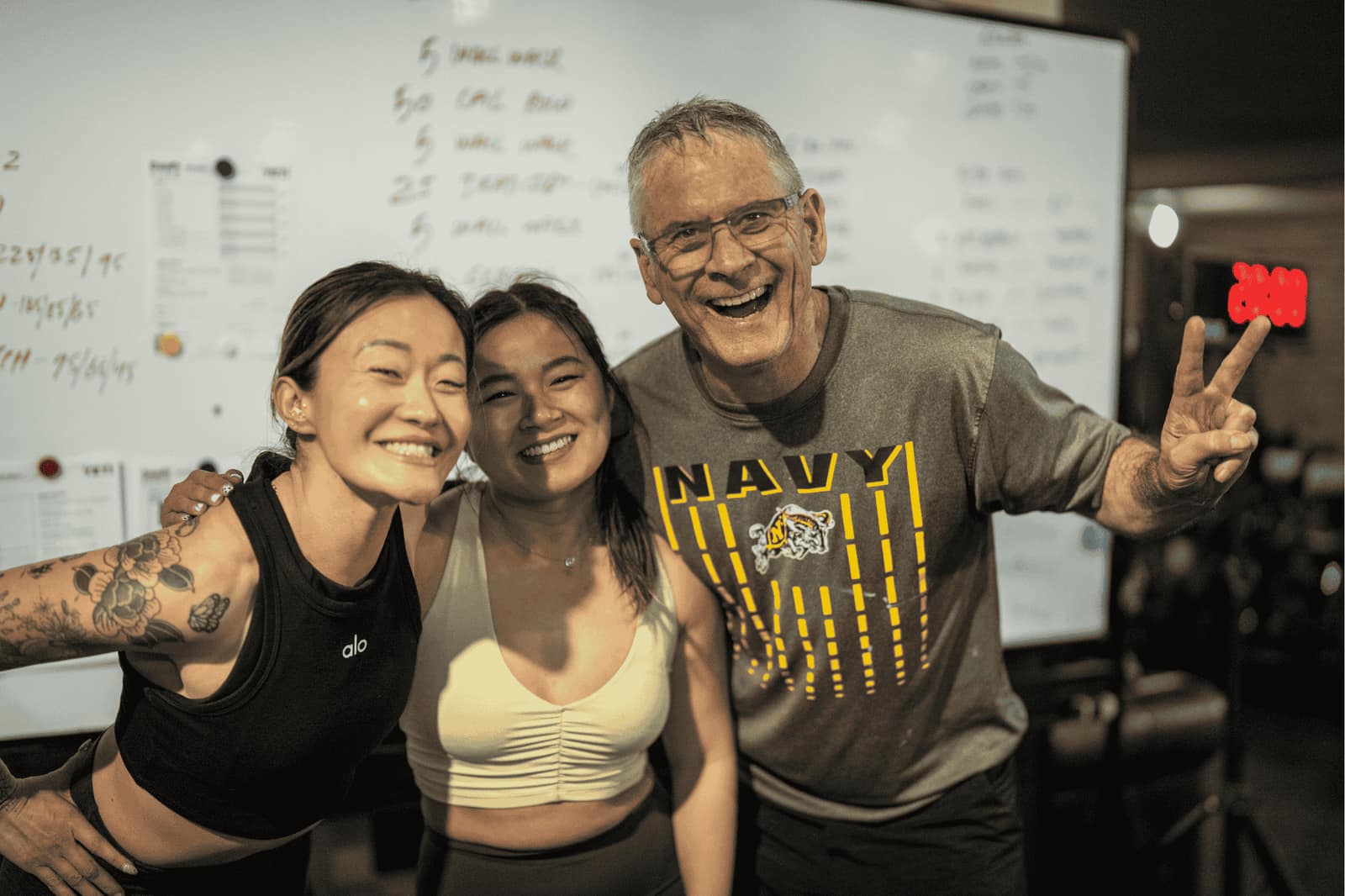
The credential alphabet soup, explained
CFL3. CSCS. NASM. NSCA. ACSM. ACE. PNL2. NCSF. USAW. FMS. RKC.
If you have priced personal training in Belltown or anywhere else in Seattle, you have seen these acronyms on bios. You probably have not been told what they mean, which ones matter, and which ones are window dressing. The result is that most people hire trainers without actually verifying a single credential, and end up paying premium rates for entry-level coaching.
This post is a tier list. Tier 1 certifications are real, science-based, and respected. Tier 2 are specialized credentials that matter for specific goals. Tier 3 are the ones to avoid as a primary cert.
I am Ravi Dewangan, head strength and conditioning coach at Persistence Athletics in Belltown. CFL3, MS in Strength and Conditioning, and CrossFit Seminar Staff. I have hired coaches, sat for these exams, taught seminars, and watched the cert landscape evolve over 15 years. Updated June 2026.
Table of Contents
- Why credentials matter (and what they do not guarantee)
- Tier 1: The real, science-based certifications
- Tier 2: Specialized credentials worth their weight
- Tier 3: Certs to avoid as a primary credential
- Red flags when evaluating a trainer's credentials
- Why we publish every credential at Persistence Athletics
- Frequently Asked Questions
Why credentials matter (and what they do not guarantee)
Credentials matter because they are a baseline filter. They tell you the trainer:
- Studied a defined body of material covering anatomy, physiology, biomechanics, and program design.
- Passed an exam that tested that material under controlled conditions.
- Belongs to an organization that requires continuing education to keep the cert current.
That baseline is not nothing. The difference between a CSCS-certified coach and someone who watched YouTube and called themselves a trainer is real. The CSCS coach can explain why a tempo squat targets the eccentric phase, what overload progression looks like across a 12-week mesocycle, and which corrective exercises address a hip-shift compensation. The YouTube self-trainer mostly cannot.
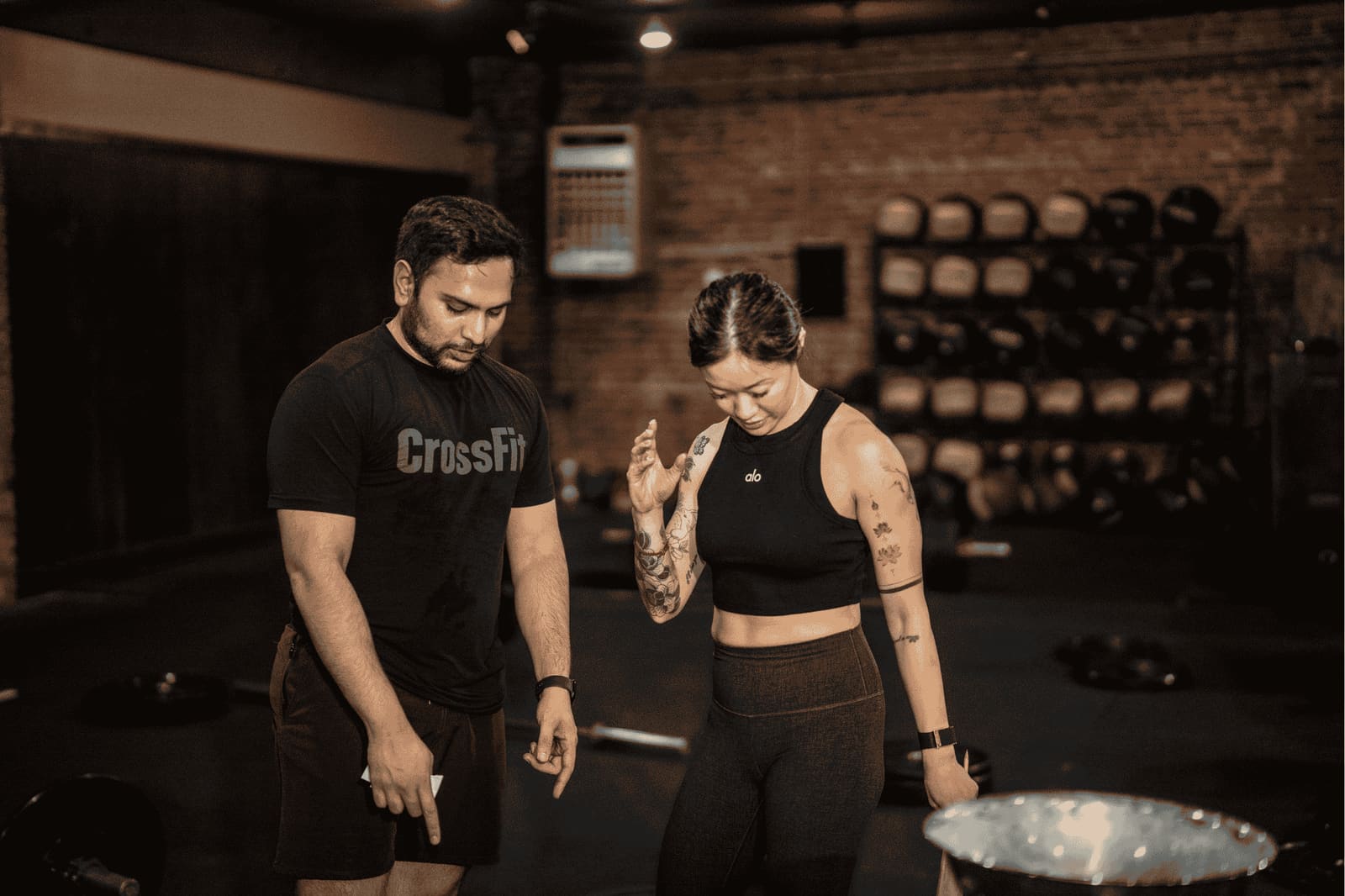
Here is the part the cert exam does not test, though. Devang came in as a beginner, a software engineer who had basically never barbell-trained. He is 724 classes deep now and his strength arc went from beginner to genuinely advanced. None of that happened because I could recite the citation for post-activation potentiation. It happened because someone watched his setup every single week and fixed the small things before they became habits. The credential let me know what to look for. The 724 reps of coaching are what actually moved him.
What credentials do not guarantee:
- Coaching skill. The ability to actually teach a movement is not directly tested by most certs.
- Communication style. Some Tier 1 credentialed coaches are abrasive. Some uncredentialed instructors are warm and effective.
- Programming creativity. Cert exams test knowledge, not the ability to write a great program for your specific case.
- Continuing growth. Cert holders who stopped learning at the cert exam are common.
So the honest summary: credentials are necessary, not sufficient. Verify the cert. Then evaluate the coach in a trial session. Both steps matter.
Tier 1: The real, science-based certifications
These are the credentials that should anchor any personal trainer's bio. If a trainer holds at least one of these, they have met a serious baseline standard.
NSCA-CSCS (Certified Strength and Conditioning Specialist)
Issued by the National Strength and Conditioning Association.
- Requires: Bachelor's degree in exercise science, kinesiology, or related field. Comprehensive exam covering scientific foundations and practical applications.
- Best for: Strength training, athletic performance, programming for sport.
- Why it matters: The gold standard for strength coaching. Heavily research-grounded. The exam is rigorous (pass rates around 60 percent on first attempt). Required for most college and professional team strength coaching jobs.
ACSM-CPT (American College of Sports Medicine Certified Personal Trainer)
Issued by ACSM.
- Requires: High school diploma or equivalent plus passing a comprehensive exam.
- Best for: General personal training, particularly clinical or medical-adjacent populations (cardiac rehab, chronic disease management, post-rehab clients).
- Why it matters: ACSM is the most medically-grounded of the major CPT certs. The textbook depth on clinical populations is the strongest in the field.
NASM-CPT (National Academy of Sports Medicine Certified Personal Trainer)
Issued by NASM.
- Requires: High school diploma plus passing the exam. Strong emphasis on the OPT (Optimum Performance Training) model.
- Best for: General personal training, corrective exercise, body composition work.
- Why it matters: Widely accepted in the commercial gym industry. The OPT model is a defensible programming framework for general fitness. NASM-CES (Corrective Exercise Specialist) is a respected add-on.
NSCA-CPT (NSCA Certified Personal Trainer)
Also issued by NSCA, but separate from CSCS.
- Requires: High school diploma plus passing exam.
- Best for: General personal training with a research-grounded foundation.
- Why it matters: NSCA's research culture carries through to the CPT exam. Less clinical than ACSM, less corrective-focused than NASM, but solid on programming.
ACE-CPT (American Council on Exercise Certified Personal Trainer)
Issued by ACE.
- Requires: High school diploma plus exam.
- Best for: General personal training, behavior change focus.
- Why it matters: Widely held in commercial gyms. Strong on behavioral coaching and client communication. Slightly less rigorous on programming than NSCA or ACSM, but legitimate.
CFL1, CFL2, CFL3 (CrossFit Level 1, Level 2, Level 3)
Issued by CrossFit, Inc.
CFL1: 2-day in-person seminar plus written exam. Entry credential for CrossFit coaching.
CFL2: Requires CFL1 plus a tested practical exam (coaching real athletes through movements while being evaluated).
CFL3 (CCFT): Requires multiple years of coaching experience, a comprehensive written exam, and is significantly rarer than CFL2. Considered the highest practical CrossFit credential.
Best for: CrossFit coaching, hybrid athletics, functional fitness.
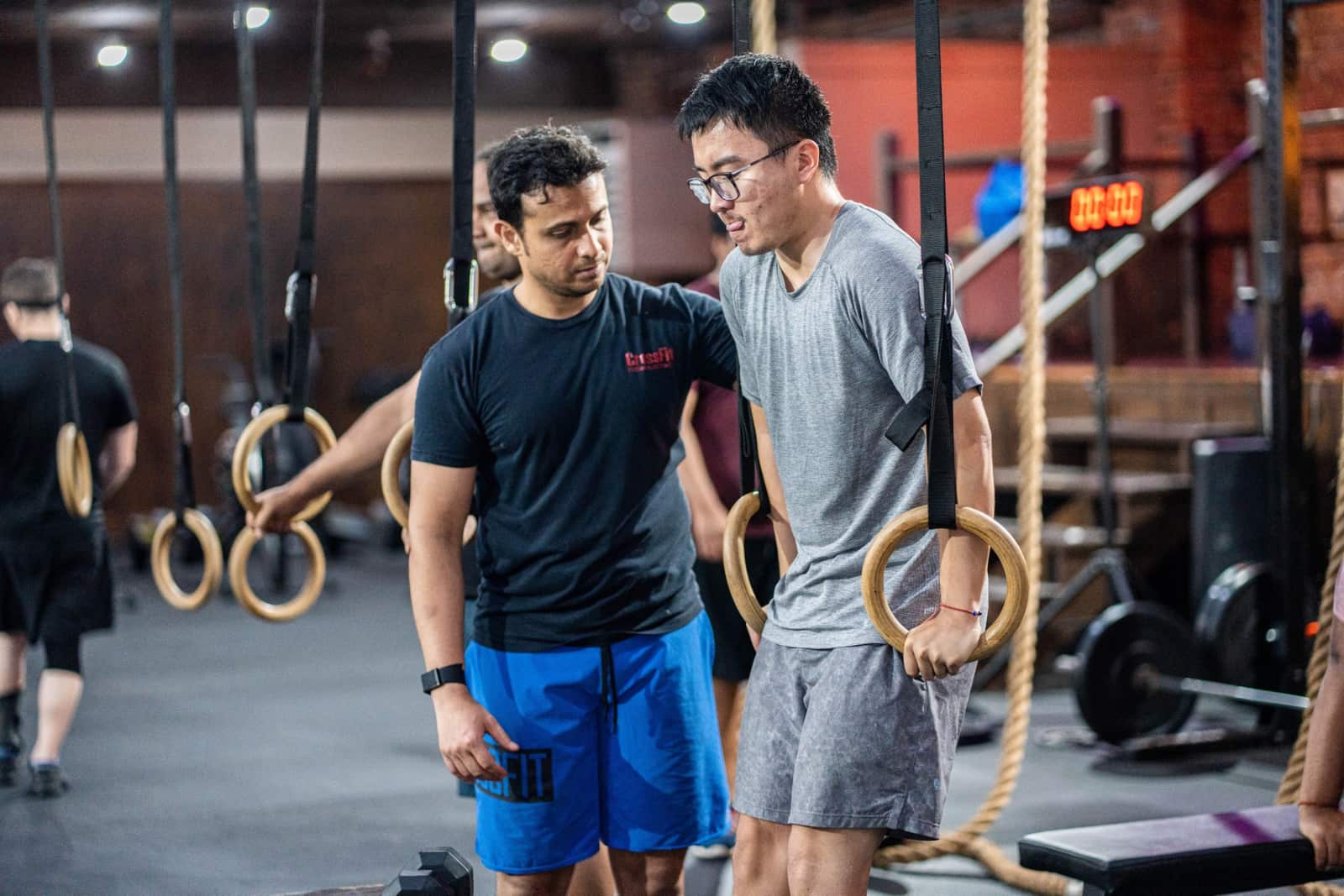
Why it matters: Within CrossFit and hybrid programming, CFL3 carries weight comparable to CSCS within strength coaching. The practical testing component (especially CFL2) is one of the few cert paths that actively grades real coaching. I sit on the CrossFit Seminar Staff, which means I am part of the team that runs and grades CFL1 and CFL2 seminars for other coaches, so I have watched a lot of people earn these and a fair number not earn them.
PNL1, PNL2 (Precision Nutrition Level 1 and Level 2)
Issued by Precision Nutrition.
- PNL1: Online coursework plus exam. Strong foundation in behavioral nutrition coaching.
- PNL2: Master Health Coach certification. Significantly deeper, includes coaching skill development and motivational interviewing.
- Best for: Nutrition coaching, behavior change, body composition work.
- Why it matters: PN's behavioral coaching framework is the gold standard for non-RD nutrition work. PNL2 is rare and indicates serious investment in coaching skill. Jacque holds the PNL2, which is who our nutrition coaching routes through.
NCSF-CPT (National Council on Strength and Fitness Certified Personal Trainer)
Issued by NCSF.
- Requires: High school diploma plus exam.
- Best for: General personal training.
- Why it matters: Less prominent than the big four (NASM, ACE, ACSM, NSCA), but legitimate and accredited. NCCA-accredited, which is the relevant accreditation standard.
Tier 2: Specialized credentials worth their weight
These are not standalone cert paths but specialty credentials that supplement a Tier 1 base. A trainer who holds a Tier 1 cert plus one of these is signaling depth in a specific domain.
| Credential | Issuing body | Specialty |
|---|---|---|
| USA Weightlifting Level 1 / Level 2 | USAW | Olympic lifting (snatch, clean and jerk) |
| USA Powerlifting Coach | USAPL | Powerlifting (squat, bench, deadlift) |
| FMS (Functional Movement Screen) | FMS | Movement screening, asymmetry detection |
| RKC (Russian Kettlebell Certification) | StrongFirst / Dragon Door | Kettlebell coaching |
| StrongFirst SFG | StrongFirst | Kettlebell, hardstyle methodology |
| NASM-CES (Corrective Exercise Specialist) | NASM | Corrective work, post-rehab |
| NASM-PES (Performance Enhancement Specialist) | NASM | Athletic performance |
| RD / RDN (Registered Dietitian) | CDR | Clinical nutrition (medical nutrition therapy) |
| ACE-Health Coach | ACE | Behavior change, lifestyle coaching |
These credentials answer specialty questions: "Does this coach actually know Olympic lifting?" or "Has this coach studied corrective exercise specifically?" When the goal is specialized, look for the matching specialty cert.
If you are still sorting out which of these you actually need, the fastest answer is a conversation on the floor, not a longer bio. Book a free first class and tell whichever coach you train with what your goal is. We will tell you straight whether the matching specialty exists on our team or whether we should point you elsewhere.
Tier 3: Certs to avoid as a primary credential
These are the certs that should not anchor a trainer's bio. If a trainer's only credential is on this list, the qualification level is too low for paid coaching.
Online-only "celebrity" certs
A trainer running an Instagram or YouTube account launches their own cert. The cert is essentially a recorded video course plus a take-home test. There is no in-person testing, no governing body beyond the influencer's brand, and no continuing education requirement. The cert is a marketing product, not a coaching credential.
These show up under names like "[Influencer Name] Method Certification" or "Elite Coaching Academy by [Person]." If you cannot find a recognized accrediting body behind the cert (NCCA, DEAC, or equivalent), it is not a real credential.
Weekend cert mills
A 2-day in-person course at a hotel ballroom, $299 to $799, take the exam at the end, walk out certified. The depth is shallow, the testing is minimal, and the cert holders frequently cannot answer basic biomechanics questions.
These exist for almost every fitness niche (general PT, group fitness, "functional training," transformation coaching). The names rotate. The pattern does not.
"Master Trainer" or "Elite Trainer" titles without underlying cert
Some commercial gyms award internal "master trainer" or "tier 3 elite trainer" titles based on tenure and sales numbers, not on credentials. The title sounds credentialed but is not externally verified. Always ask for the underlying cert behind any in-house title.
Vague "fitness coach" claims
A trainer says they are "certified" without naming the cert. Or names an organization you cannot find online. Or holds a cert from an organization that turns out to be the trainer's own LLC.
A real cert should be 5 seconds of conversation: name of cert, issuing organization, year obtained. If the answer requires a long explanation, that is the answer.
Red flags when evaluating a trainer's credentials
When you are interviewing a prospective trainer, watch for these signals:
Cannot name their cert immediately. A real cert holder names their cert as fast as you can name your job title. Hesitation here is diagnostic.
Cannot describe the exam. Ask "what was the exam like?" A real cert holder remembers the exam structure (written, practical, length, difficulty). A fake or expired cert holder gets vague.
Cert is from a name you cannot find online. Search the issuing organization. If the only result is the cert's own website with no third-party recognition, the cert is not real.
No continuing education. Ask "what was your most recent continuing education?" Real cert holders have to maintain CEUs. They name a recent course. People who let their cert lapse get vague or admit they have not done CE.
Cert does not match the work. A trainer holding only a yoga cert offering powerlifting coaching. A "wellness coach" doing post-injury rehab work. The cert and the offering should match. When Eric came to us with chronic back pain and a goal of strict pull-ups, the question was not whether a coach had a flashy title. It was whether they understood loading, scaling, and progression well enough to build him back up safely. That is a credential-plus-judgment problem, and the cert is only the first half.
Bio reads vague. "Certified personal trainer with 10+ years of experience helping clients achieve their goals." That sentence appears on roughly half the trainer bios in Belltown. A real trainer names the cert in the first 20 words.
Why we publish every credential at Persistence Athletics
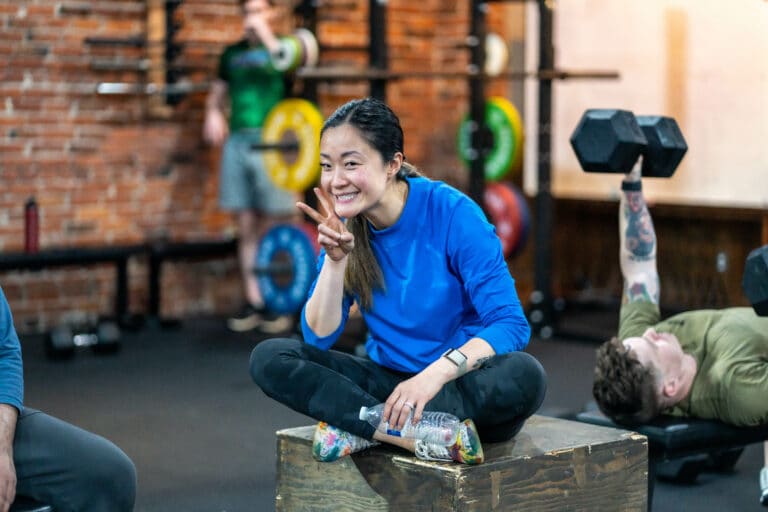
We publish every coach's credentials on the coaches page, with no marketing fluff. This is deliberate. Members are paying for coaching, and they have a right to know what training and testing their coach has actually completed.
The current Persistence credential stack on the lead coaching team:
- Ravi Dewangan (head strength and conditioning coach): CFL3, MS in Strength and Conditioning, CrossFit Seminar Staff. The seminar staff role means I am part of the team that delivers CFL1 and CFL2 seminars to other coaches.
- Jacque Dewangan (head coach): CFL3, PNL2 (Precision Nutrition Level 2 / Master Health Coach). Our nutrition coaching routes through Jacque.
Below the leads, AJ coaches several of the weekday classes, and the rest of the crew (Aannesha, Muthu, Brayan) holds CrossFit coaching credentials and runs group sessions across the week. Full list on the coaches page.
That is two CFL3s, an MS in S&C, and a PNL2 across the lead coaching team alone, on a roughly 1-to-12 coach-to-athlete ratio. For a Belltown gym our size, that is a deeper credential bench than typical.
We do not publish credentials to brag. We publish them because the alternative (gyms that hide credentials behind vague "certified expert team" language) is the standard, and we think it should not be. If you are evaluating any gym, ask for the credentials in writing. A gym willing to publish should not balk at sending a list. A gym that cannot is signaling something.
For the full coaching team breakdown and specialty mapping, see coaches. For the philosophy behind how we hire and develop coaches, see about. For the personal training service offering, see personal training.
If you want to evaluate the coaching directly, the lowest-friction step is a free intro class. You will meet a credentialed coach, get a movement screen, and see the coaching style firsthand. Book your free class at 3025 1st Ave in Belltown, about an 8-minute walk from Amazon. Questions first? Call us at (206) 593-4236.
Related Articles in This Cluster
- Personal Training in Belltown: The Insider's Guide. The full PT hub with format options.
- How to Choose a Personal Trainer in Seattle. The 7-step framework for picking a coach.
- Personal Training Cost in Belltown: A Transparent Breakdown. What you pay for at each tier.
Frequently Asked Questions
What are the most respected personal trainer certifications?
The most respected personal trainer certifications are NSCA-CSCS (gold standard for strength coaching, requires a bachelor's degree), ACSM-CPT (strong on the medical and clinical side), NASM-CPT (widely accepted, broad coverage), and NSCA-CPT (research-grounded). For specialty work: CFL1/2/3 for CrossFit coaching, PNL1/2 for nutrition, USA Weightlifting for Olympic lifting, USA Powerlifting for powerlifting. These are the certs you should look for when hiring a trainer for any non-trivial goal.
What is the difference between NSCA-CSCS and ACSM-CPT?
NSCA-CSCS (Certified Strength and Conditioning Specialist) requires a bachelor's degree in exercise science or related field plus a comprehensive exam, and is the gold standard for coaching athletes and strength training. ACSM-CPT is a broader personal trainer cert with strong emphasis on medical and clinical populations (cardiac rehab, chronic disease management). CSCS is the better cert for performance and strength. ACSM is the better cert for medical or rehab-adjacent work. Both are tier-1 credentials.
Are CrossFit Level 1, 2, and 3 trainer certifications respected?
Yes, particularly within CrossFit, hybrid athletics, and functional fitness coaching. CFL1 is a 2-day in-person seminar with a written exam, and is the entry credential for CrossFit coaching. CFL2 requires a tested practical exam plus the CFL1 base. CFL3 (CCFT) requires multiple years of coaching, a comprehensive written exam, and is rare. A coach holding CFL3 has demonstrated coaching depth at a level comparable to CSCS within the CrossFit space.
What certifications should I avoid when hiring a personal trainer?
Avoid trainers whose only credential is an Instagram-marketed online cert with no in-person testing, weekend cert mills (often $99 to $299) that promise certification with minimal study time, vague titles like 'master trainer' or 'transformation specialist' without an underlying credential, and any cert from an organization you cannot find a legitimate website for. The pattern is consistent: real certs require real exams, real continuing education, and a recognized governing body. Cert mills require none of these.
Why does Persistence Athletics list every coach's credentials publicly?
Transparency. Members are paying for coaching, and they have a right to know what training and certifications their coach actually holds. Our coaches page lists every credential for every coach: Ravi (CFL3, MS Strength and Conditioning, CrossFit Seminar Staff), Jacque (CFL3, PNL2), and the rest of the coaching team. If a gym hides credentials behind vague language, you should ask directly. A coach who cannot tell you their cert in 5 seconds is a red flag.
Are credentials a guarantee that a personal trainer is good?
No. Credentials are a starting screen, not a guarantee. They tell you the trainer has met a baseline standard of knowledge and tested it under exam conditions. They do not tell you whether the trainer is a good coach, communicates well, programs intelligently, or fits your personality. After verifying credentials, the next step is a trial session. Use the trial to evaluate coaching style, listening skills, and programming approach. Credentials get a trainer to the interview. The trial decides the hire.
Try a free first class at Persistence Athletics
If you want to evaluate credentialed coaching directly, your first class is free and scaled to wherever you are starting. You will train with a CFL3 coach, get a movement screen, and see how programming and cueing actually work in practice. Book your free class at Persistence Athletics, 3025 1st Ave, Belltown, Seattle, about 8 minutes from Amazon and walkable from anywhere in downtown. Prefer to talk first? Call (206) 593-4236.
Want to take this further?
Talk to a coach about personal training programming at Persistence Athletics.