
Nutrition for Athletes: A Seattle Coach's Guide
How a Seattle nutrition coach actually feeds athletes. Protein, carbs, timing, and the Belltown desk-job reality. From the head coach at Persistence Athletics.

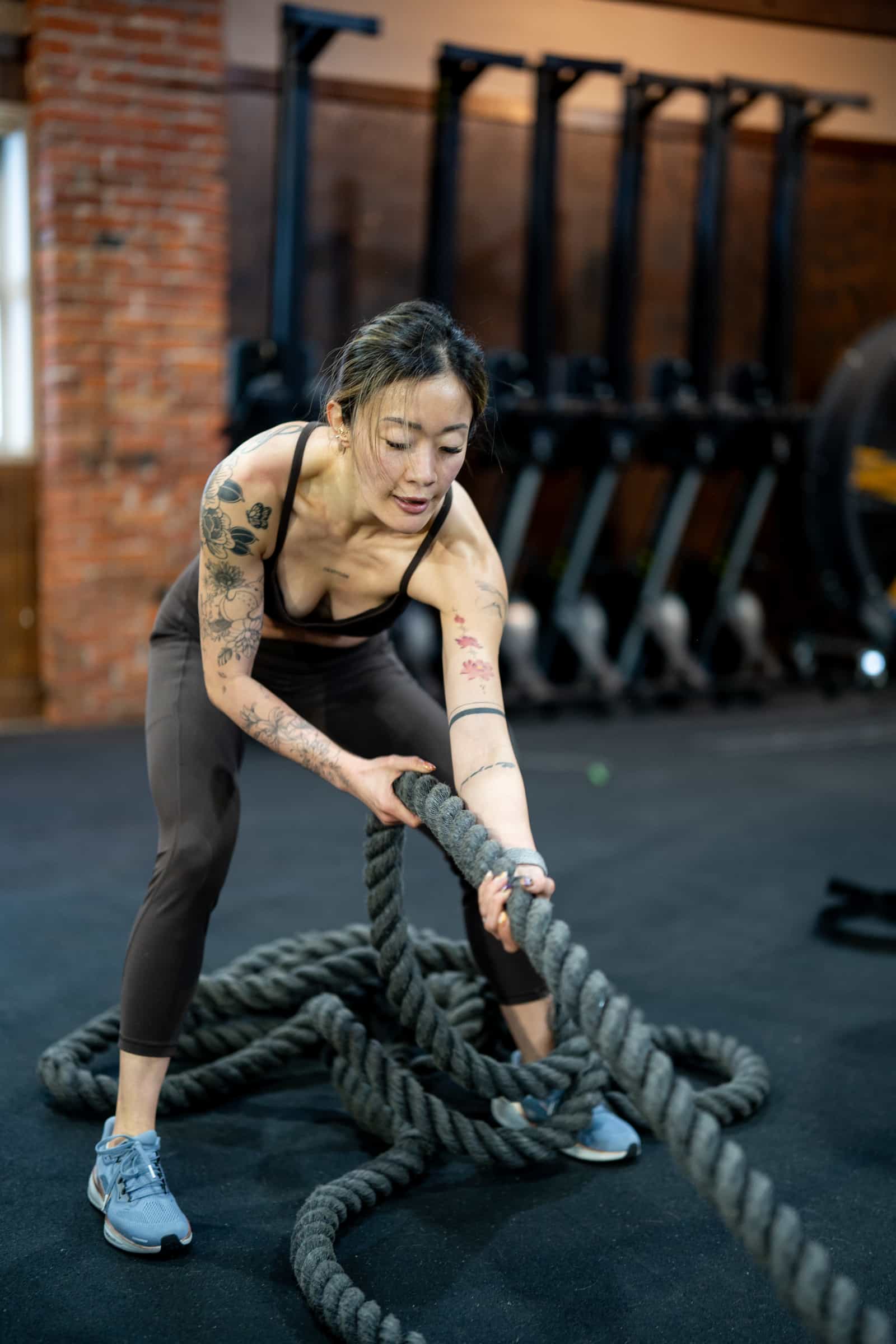
Nutrition for athletes, decoded
If you have read more than three articles about "diet for athletes" you have probably noticed they all blur together. Eat more protein. Drink water. Avoid processed food. Sleep more. The advice is fine, but it never tells you how to actually pull it off when your day starts with a 7 AM standup at Amazon, you eat lunch at your desk between meetings, and you walk into a 6:30 PM class still hungry from skipping the afternoon snack.
This is the gap. There is "diet advice" for the general public, and then there is what athletes who train 3 to 5 hard sessions a week and work demanding office jobs actually need. The two are not the same. A Seattle nutrition coach worth their fee bridges that gap with you, week by week, and adjusts as your training, sleep, and stress change.
I am Jacque Dewangan, head coach at Persistence Athletics in Belltown. CFL3 and Precision Nutrition Level 2 (PNL2). I have run nutrition coaching for over a hundred members at our box, including Amazon engineers, Microsoft PMs, doctors, parents, new moms coming back from leave, and a few HYROX competitors prepping for races. This guide is the long version of the conversation I have at the front desk after class, 8 minutes up the hill from the Amazon Spheres. Updated June 2026.

Table of Contents
- What nutrition for athletes actually looks like
- The 5 most common nutrition mistakes I see at Persistence
- How much protein, carbs, and fat
- Eating around training: pre, intra, post
- Belltown athlete reality: the desk-job tradeoff
- How we coach nutrition at Persistence Athletics
- Real client examples
- Comparison: macro tracking vs habit coaching vs full diet plan
- Related Articles in This Cluster
- Frequently Asked Questions
What nutrition for athletes actually looks like (vs general "diet" advice)
Most diet advice is built for sedentary people who want to lose 10 lb. That is not most of the people walking into a CrossFit gym in Belltown. The person training 4 days a week needs more food, more carbs around training, and a different protein floor than someone who walks 6,000 steps a day.
Here are the four anchors I work from with athletes:
1. A protein floor, not a protein ceiling
For active CrossFit and HYROX athletes, the floor is 0.8 to 1.0 g of protein per pound of bodyweight, every day. A 165 lb member needs 130 to 165 g. This is the floor. The ceiling is whatever your appetite supports. Almost no one over-eats protein. Almost everyone under-eats it.
2. Carb cycling around training
Carbs are not the enemy for athletes. They are the fuel for your conditioning and the recovery driver after class. The trick is concentrating carbs in the windows that matter (pre-workout, post-workout, the meal afterward) and easing off in the windows that do not (late evening if you trained at 6 AM, mid-day on a rest day).
3. Fat for hormones, not just calories
A common mistake is dropping fat too low while chasing a leaner physique. Fat below 20 percent of total calories starts compromising hormones (testosterone, estrogen, thyroid). For most athletes, 25 to 35 percent of calories from fat is the right band. Olive oil, avocado, eggs, salmon, nuts.
4. Hydration as the floor everything else sits on
Half your bodyweight in ounces of water minimum, plus 16 to 24 oz per hour of training. We have a full guide on hydration strategies that goes deeper. If you are not hydrated, no macro plan will save you.
These four are the foundation. Almost every nutrition coaching conversation at Persistence starts here, before we ever discuss specific meals.
The 5 most common nutrition mistakes I see at Persistence
After hundreds of intake conversations, the same five mistakes show up over and over. If you are reading this and one of them rings a bell, you are not alone.
1. Under-eating protein
The most common mistake. Members will tell me they "eat plenty of protein" and then we do a 3-day food log and they are at 70 to 90 g. They needed 140. I watched this play out with Devang, one of our software engineers, early in his time here. He was lifting hard and could not understand why he was not getting stronger. His protein log answered it in one look. The fix is mechanical: add a clear protein source to every meal, plus one protein-forward snack. Greek yogurt, cottage cheese, jerky, a shake.
2. Skipping pre-workout fuel
The 6:30 PM class crowd is the worst for this. They left lunch at 1 PM, never ate the afternoon snack, and walk into class running on coffee. Performance crashes around minute 12 and they wonder why. A small carb plus protein snack at 5 PM solves it. Toast and a hard-boiled egg. A banana and a string cheese.
3. Inconsistent meal timing
I see members eating breakfast at 7 AM on Monday, 10 AM on Tuesday, and skipping it Wednesday. The body adapts to consistency. Even a rough rhythm (breakfast within 90 minutes of waking, lunch around mid-day, dinner before 8 PM) makes appetite regulation way easier.
4. Ignoring sleep's role in nutrition
Sleep is not a nutrition variable in the obvious sense, but it sets the table. Six hours of sleep cranks up hunger hormones (ghrelin) and suppresses fullness hormones (leptin). Members who sleep poorly fight cravings all day. The single biggest nutrition lever for tired athletes is sleeping more, not eating less.
5. All-or-nothing weekend cycling
Strict Monday through Friday, blow-out Saturday and Sunday. Net effect: 5 days of deficit followed by 2 days of surplus equals maintenance. Members are surprised when 3 months of "eating clean" produces zero results. The fix is loosening the weekday rules slightly (a small dessert is fine on Tuesday) so the weekend does not feel like a release valve.
How much protein, carbs, and fat
A starting point. These are estimation tables, not prescriptions. Real coaching adjusts these based on goal, training volume, and how your body responds.
Daily macro estimates by bodyweight (active CrossFit / HYROX athlete)
| Bodyweight | Protein (g) | Carbs (g) | Fat (g) | Total kcal |
|---|---|---|---|---|
| 130 lb | 105 to 130 | 200 to 280 | 50 to 70 | 1,800 to 2,200 |
| 150 lb | 120 to 150 | 230 to 320 | 55 to 80 | 2,000 to 2,500 |
| 170 lb | 135 to 170 | 260 to 360 | 65 to 90 | 2,300 to 2,800 |
| 190 lb | 150 to 190 | 290 to 400 | 70 to 100 | 2,500 to 3,100 |
| 210 lb | 165 to 210 | 320 to 440 | 80 to 110 | 2,800 to 3,400 |
Use the lower end for fat loss phases and the higher end for muscle gain or heavy training cycles. Adjust by 200 to 300 calories per week if the scale and performance are not moving in the direction you want.
For a deeper breakdown of how these macros work specifically for CrossFit and HYROX, see our companion piece on macros for CrossFit and HYROX.
Eating around training: pre, intra, post
The timing protocol I coach to almost every member.
Pre-workout (60 to 90 minutes before class)
Goal: top off glycogen and have some amino acids in circulation when you start training.
- 30 to 60 g of carbs (oatmeal, banana, toast, rice cake)
- 15 to 25 g of protein (Greek yogurt, eggs, whey shake, cottage cheese)
- Low fat and low fiber (saves digestion for after)
Intra-workout (during a 60-minute class)
Goal: replace fluid, do not over-think it.
- Plain water for almost everyone (8 to 16 oz across the class)
- Electrolytes only for sessions over 90 minutes or heavy heat
- No food during a 60-minute class
The one place I tell people to plan harder is our Saturday HYROX class, 9:30 to 11:00 AM. Ninety minutes of running, sled, and erg in one block is a different fueling problem than a Tuesday metcon. Eat a real breakfast, bring electrolytes, and do not show up fasted thinking it is "just cardio."
Post-workout (within 60 minutes after)
Goal: kick off recovery, restore fluid, set up the next meal.
- 25 to 40 g of protein (whey shake is the easiest)
- 40 to 80 g of carbs (rice, potatoes, fruit, oats)
- Fluid: 16 to 24 oz of water in the first 30 minutes
- A real meal within 2 to 3 hours regardless
The window is wider than the supplement industry tells you. There is no 30-minute death zone where gains evaporate. But the sooner you start refueling, the better the next day's training feels. The detailed timing logic is in our protein timing guide.
Belltown athlete reality: the desk-job, late-class, decent-sleep tradeoff
Here is what a real Belltown athlete's day looks like, and why generic nutrition advice fails them.
You wake up at 6:30 AM. Coffee, maybe a quick breakfast. You are at your desk by 8:30, on Slack and in meetings until lunch. You eat lunch at 12:30 from one of the salad spots near the Spheres or a leftover container you brought from home. You have an afternoon meeting block from 2 to 4. By 5 PM, the morning protein and lunch carbs are long burned. You leave the office at 5:45, walk the few blocks down into Belltown to our spot at 3025 1st Ave, and arrive at the 6:30 PM class hungry, dehydrated, and wired on a 3 PM coffee.
This is not a moral failure. It is just what dense urban office work plus evening training looks like. The question is what the athlete does about it.
The fix is small and unglamorous:
- Pack the afternoon snack on Sunday night (jerky, fruit, a shake, nuts)
- Set a 4:30 PM phone alarm to eat it
- Refill water bottle at 3 PM, finish it before 6 PM
- Bring a post-workout shake to drink in the lobby before walking out
- Eat a real dinner within 90 minutes of leaving the gym
That sequence covers about 80 percent of the nutrition problems I see in Belltown desk-job athletes. None of it is exotic. The hard part is doing it on a Tuesday when you are tired and the afternoon got chaotic. That is where coaching helps. With a coach-to-athlete ratio of roughly 1 to 12 in our classes, I actually notice when the same person fades at minute 12 three weeks running, and that is usually a fueling conversation, not a fitness one.
For weekend grocery runs, Pike Place produce on a Sunday morning gives you most of a week's vegetables and fruit for under $40. Belltown's lunch scene is good for protein-forward bowls if you know what to order. The constraint is not Seattle. The constraint is the schedule.
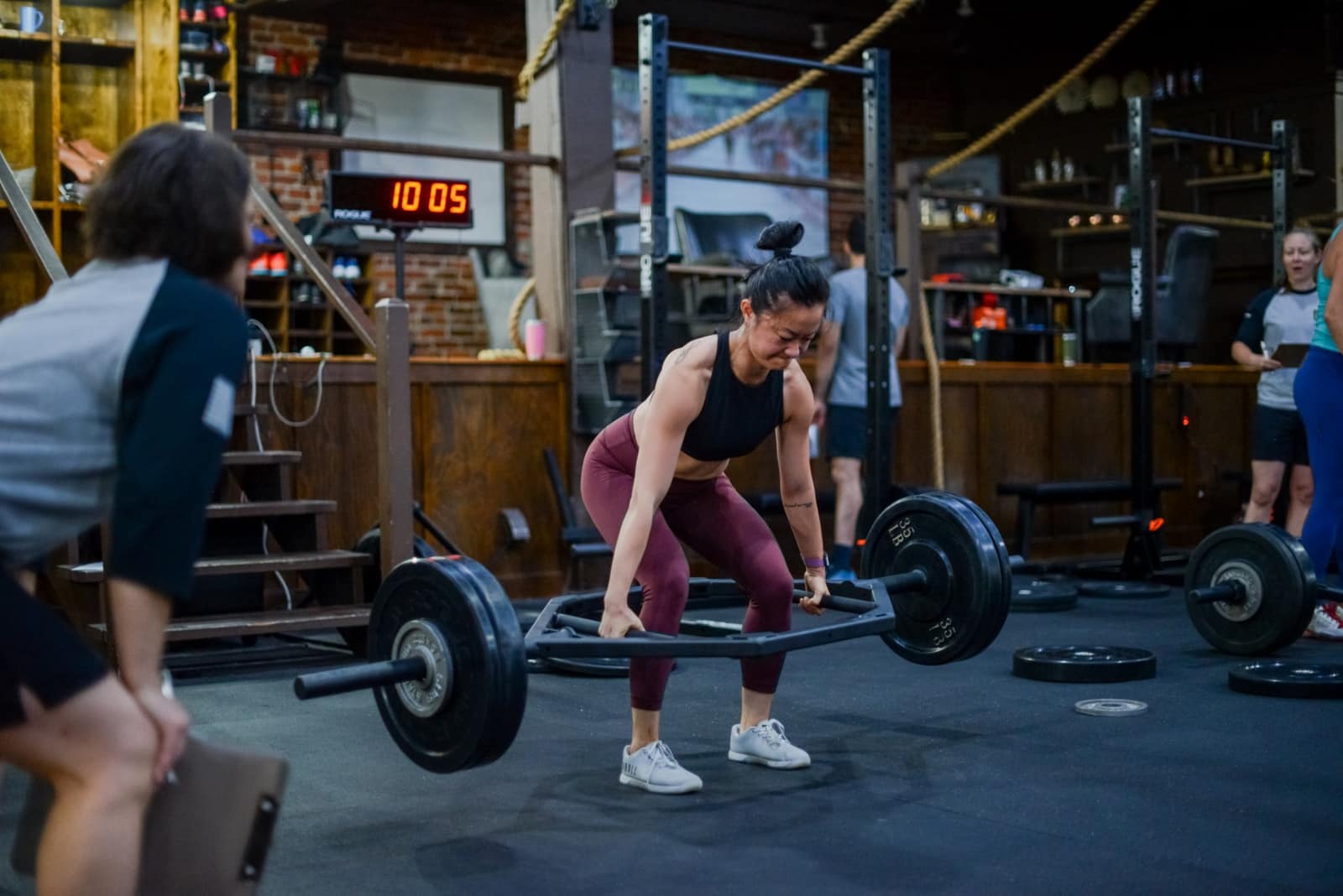
How we coach nutrition at Persistence Athletics

Our nutrition coaching program runs in three formats. We pick the one that fits the member.
1-on-1 nutrition coaching
For members who want a custom plan and weekly accountability. Initial intake (60 minutes), weekly check-ins (15 to 30 minutes), and direct messaging access between sessions. We track protein, sleep, training, energy, and body composition over a 90-day block. As a Precision Nutrition Level 2 coach, this is the work I am credentialed and built for, and I run our nutrition coaching personally. The price is on the nutrition coaching page.
Group habit coaching add-on
For members who do not want full 1-on-1 but want structure. We run small group habit-coaching cohorts that focus on one habit at a time (protein, hydration, sleep, sugar) for 6 weeks. Lower price point, more peer accountability, less customization. Good fit for members 3 to 12 months into training who want to level up nutrition without committing to weekly check-ins.
Integration with training
Whichever format you pick, your nutrition coach is the same person coaching your classes. We see how your training is going in real time. If your Friday lifts feel terrible, we know whether it is a fueling issue or a sleep issue or just a hard week, because we are in the gym with you. AJ and the rest of the crew see the same patterns on the floor, so the feedback loop is fast. This is the part of nutrition coaching that almost no online program can replicate.
For members new to the gym, we usually recommend doing 30 days of group classes first before adding nutrition coaching, so we have a training baseline to coach against. The exception is fat-loss-focused members, where we start nutrition on day one.
Real client examples
Three short examples, drawn from real members and lightly anonymized. If you recognize yourself in one of these, you are far from alone.
Weight loss while training hard
One of our long-time members, a software engineer, wanted to lose weight without losing her CrossFit performance. She had tried 1,400-calorie diets twice and quit both times because her workouts crashed. We set her at roughly 2,000 calories with 145 g of protein, kept carbs around training, dropped them in the evening, and added a 7,000-step daily floor. Over about 14 weeks she leaned out steadily, kept her back squat where it was, and added reps to her strict pull-up set. The key was the higher protein and the protected carbs around training. For more on this scenario, see fat loss while training hard.
Muscle gain stalled
Devang came in as a near-beginner and put in the work for years, but at one point hit a wall: lifting hard, six-plus months in, frustrated that he was not gaining visible muscle. His protein was sitting around 90 g a day and his calories were at maintenance. We pushed protein up near 165 g, added roughly 300 calories above maintenance, and added one carb-heavy meal post-training. A few months later he had clearly added lean mass and weight was going back on the bar across every major lift. The fix was just eating enough. Devang is now one of our stronger members, but that arc started with a food log, not a new program.
Postpartum return
Sofi came back to training a handful of months after having her second child. Sleep was wrecked, energy was variable, and feeding the baby was a real consideration. We did not chase fat loss. We focused on hitting protein consistently around 130 g, staying hydrated, and eating a real breakfast within 90 minutes of waking. A few months in she felt like an athlete again, her lifts were trending up, and her body composition started shifting on its own without a deficit. Sometimes the right intervention is patience plus the basics, and for a new mom coming back to training, it almost always is.
Comparison: macro tracking vs habit coaching vs full diet plan
Three approaches, three fits. Pick based on bandwidth and goal.
| Approach | Best fit | Effort | Time horizon | Pros | Cons |
|---|---|---|---|---|---|
| Macro tracking | Specific physique goal in 8 to 12 weeks | High (log every meal) | 8 to 16 weeks | Precise, fast feedback | Burnout risk, social friction |
| Habit coaching | Sustainable change over 6 to 12 months | Low to medium (weekly habit focus) | 12 weeks plus | Sticks long-term, low burden | Slower visible results |
| Full diet plan | Short-term, specific event (race, photoshoot) | Medium (follow plan exactly) | 4 to 8 weeks | Removes decisions, predictable | Not sustainable, rigid |
At Persistence we lean habit coaching for most members and add macro tracking for athletes with specific 12-week goals. Full diet plans we use rarely, mostly for HYROX or competition prep. The detailed pre-workout meals guide covers the food side of the timing conversation if you want to dig deeper.
If this is your first read on nutrition and you are not yet training with us, the easiest next step is booking a free first class and meeting the team in person.
Related Articles in This Cluster
- Pre-workout meals for CrossFit: what to eat 30, 60, and 90 minutes before class.
- Protein timing for athletes: the science of when protein actually matters.
- Hydration strategies: the pre, intra, and post protocol we coach.
- Macros for CrossFit and HYROX: bodyweight-based macro estimates by training phase.
- Fat loss while training hard: how to drop body fat without crashing your lifts.
Frequently Asked Questions
What does a nutrition coach in Seattle actually do?
A nutrition coach helps you build sustainable eating habits around your training, work, and life. At Persistence Athletics in Belltown, that means protein audits, meal-timing protocols, weekly check-ins, and accountability. We do not hand you a meal plan and disappear. We work with what your week actually looks like, from 7 AM Amazon meetings to 6:30 PM classes, and adjust as your training load changes.
How much protein do athletes really need?
0.8 to 1.0 grams per pound of bodyweight per day for most CrossFit and HYROX athletes. That is 130 to 165 g for a 165 lb athlete. Higher end if you are trying to build muscle, lower end if you are in a maintenance phase. Most members under-eat protein by 30 to 50 g per day when they first start tracking.
Should I track macros or just eat better?
Depends on the goal and the person. Tracking macros works if you want a specific physique change in 8 to 12 weeks and you are willing to log food. Habit coaching works if you want sustainable change over 6 to 12 months without weighing food. We use both at Persistence and pick based on the member's bandwidth.
What should I eat before a CrossFit or HYROX class?
30 to 90 minutes before class: 30 to 60 g of carbs plus 15 to 25 g of protein. A banana with Greek yogurt. Toast with eggs. Oatmeal with whey. The exact food matters less than the timing and the macro split. If you are training fasted in the morning, that is fine, but recovery food after class becomes more important.
Is intermittent fasting good for CrossFit athletes?
Usually not for high-volume athletes. The members at Persistence who train 4 to 5 days a week and try strict 16:8 fasting tend to under-eat by 200 to 400 calories and stall their performance. A modified eating window (12 hours overnight, eating starts at 8 AM if class is at 6 PM) works better. Short fasts on rest days are fine.
Do I need supplements to perform well?
Most athletes need exactly four: a quality protein powder, creatine monohydrate (5 g daily), Vitamin D in winter, and an electrolyte option for long sessions. Everything else (BCAAs, pre-workouts, fat burners, greens powders) is optional and usually not worth the money. Food first, supplements as a small add-on.
How long does nutrition coaching take to work?
Most members feel a difference in week 2 (better energy at the desk and in class) and see body composition changes by week 6 to 8. Real habit change takes 12 weeks minimum. We run nutrition coaching in 90-day blocks at Persistence for that reason. Anyone promising results in 21 days is selling you a crash.
How is Persistence Athletics nutrition coaching different?
Three things. First, your nutrition coach is the same person coaching your classes, so we see your training in real time. Second, we run habit coaching alongside macro tracking, not just one or the other. Third, we are a CrossFit and HYROX gym, so your nutrition coach actually understands what a Saturday HYROX session takes out of you, not just generic 'fitness' advice.
Try a free first class at Persistence Athletics
Nutrition is one of the conversations we will start on your free first class. We do not pitch nutrition coaching to every new member. We just check the basics (protein, hydration, pre-workout fuel, sleep) and tell you which one is worth working on first. If 1-on-1 coaching makes sense after 30 days of training, we will let you know. Book your free class at Persistence Athletics, 3025 1st Ave, Belltown, Seattle. Your first class is free and scaled to wherever you are starting from. Questions first? Call us at (206) 593-4236. You can also read more about our coaching team or meet me directly on the coach page.
Want to take this further?
Talk to a coach about nutrition programming at Persistence Athletics.